

For industrial buyers, choosing a professional welding tools supplier is a decision that directly affects production efficiency, job-site safety, product consistency, and long-term operating costs. A low-cost tool may look attractive at first, but unstable quality, poor compatibility, limited technical support, or delayed delivery can quickly create bigger problems.
Whether you are sourcing welding torches, TIG torches, gas cutting tools, heating torches, regulators, safety equipment, HVAC/R tools, or customized OEM products, the right supplier should provide more than products. A reliable supplier should support your business with stable manufacturing, quality control, compliance knowledge, technical communication, and long-term cooperation.
UWELD focuses on professional welding and cutting solutions for global industrial users. With product categories covering welding and cutting tools, gas cutting, welding, gas heating, HVAC, safety, and medical-related gas control applications, UWELD serves buyers who need practical tools for real industrial environments.
What Is a Professional Welding Tools Supplier?
A professional welding tools supplier is a company that can provide reliable welding and cutting products for industrial, commercial, and technical applications. Unlike simple trading companies, a stronger supplier usually has deeper product knowledge, manufacturing control, testing procedures, certification awareness, and the ability to support different market requirements.
For B2B buyers, a professional welding tools supplier should be able to help with:
- Product selection for different welding and cutting applications
- Stable supply for distributors and wholesalers
- OEM/ODM customization for private-label projects
- Technical support for product specifications and usage conditions
- Quality control before shipment
- Compliance with international standards and market requirements
- Long-term product development and cooperation
This is especially important for buyers serving professional users, including fabricators, HVAC technicians, automotive repair shops, industrial maintenance teams, construction contractors, and welding equipment distributors.
Why Supplier Selection Matters in Welding and Cutting Tools
Welding and cutting tools are used in demanding environments. They may be exposed to heat, gas pressure, sparks, metal dust, outdoor job sites, frequent handling, and long working hours. A weak supplier can create problems across the entire supply chain.
Common risks include:
- Unstable product performance between batches
- Poor torch ignition or flame control
- Low-quality connectors, valves, or hoses
- Inaccurate pressure regulation
- Short service life under high-duty applications
- Delayed shipment during peak buying seasons
- Missing certificates or incomplete compliance documents
- Limited after-sales support for distributors
A professional welding tools supplier helps reduce these risks by building a supply system around quality, consistency, documentation, and application support.
Key Product Categories to Check Before Choosing a Supplier
A strong supplier should not only offer one product. For industrial buyers, a complete product range makes sourcing easier and improves cooperation efficiency. Buyers can review UWELD’s full product range through the UWELD product center.
1. Gas Cutting Tools
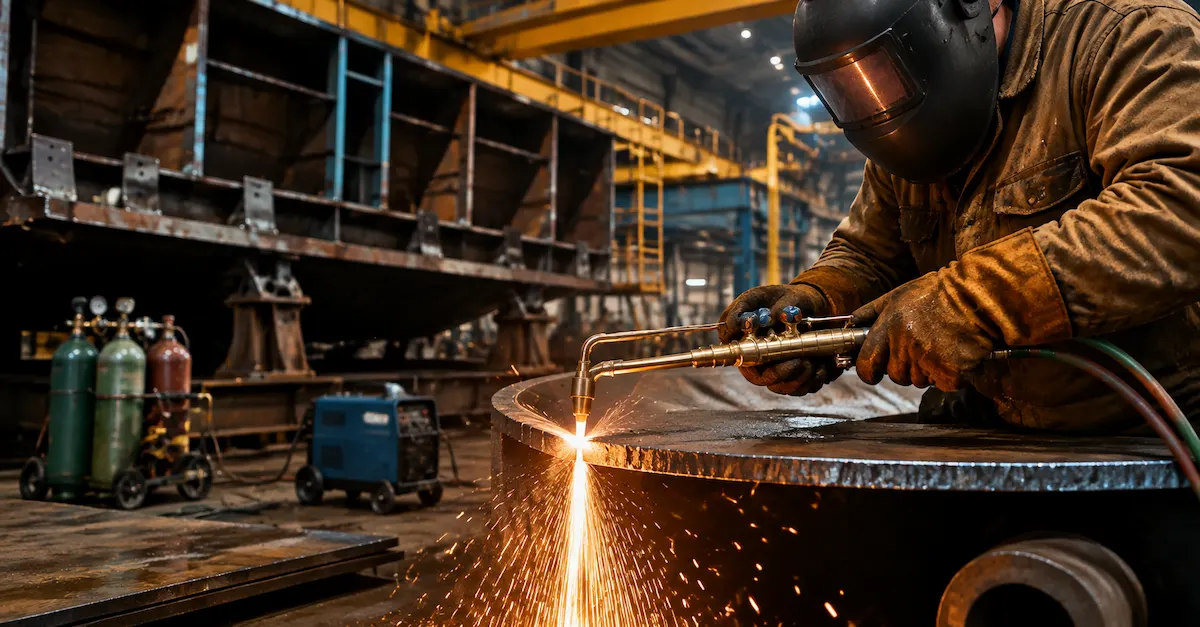
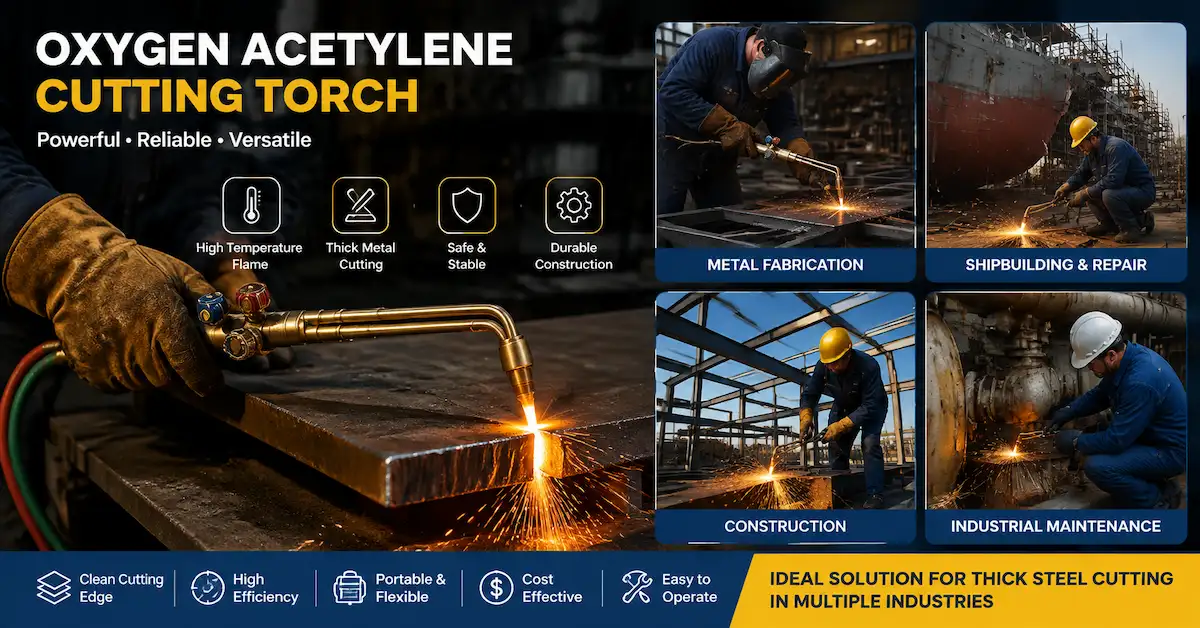
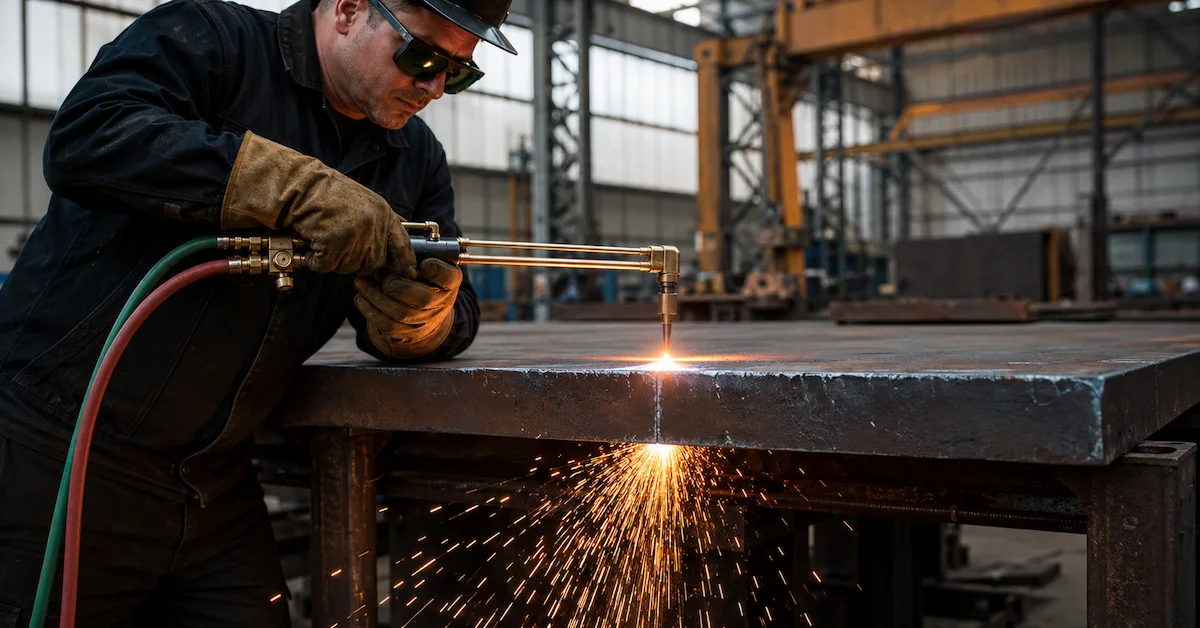
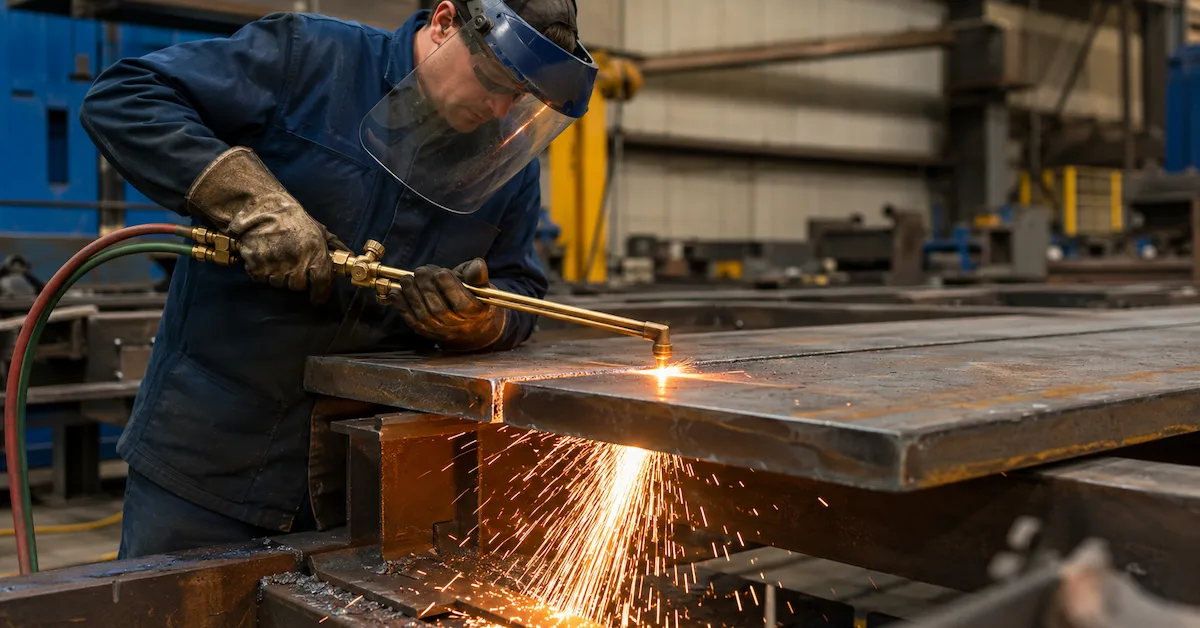
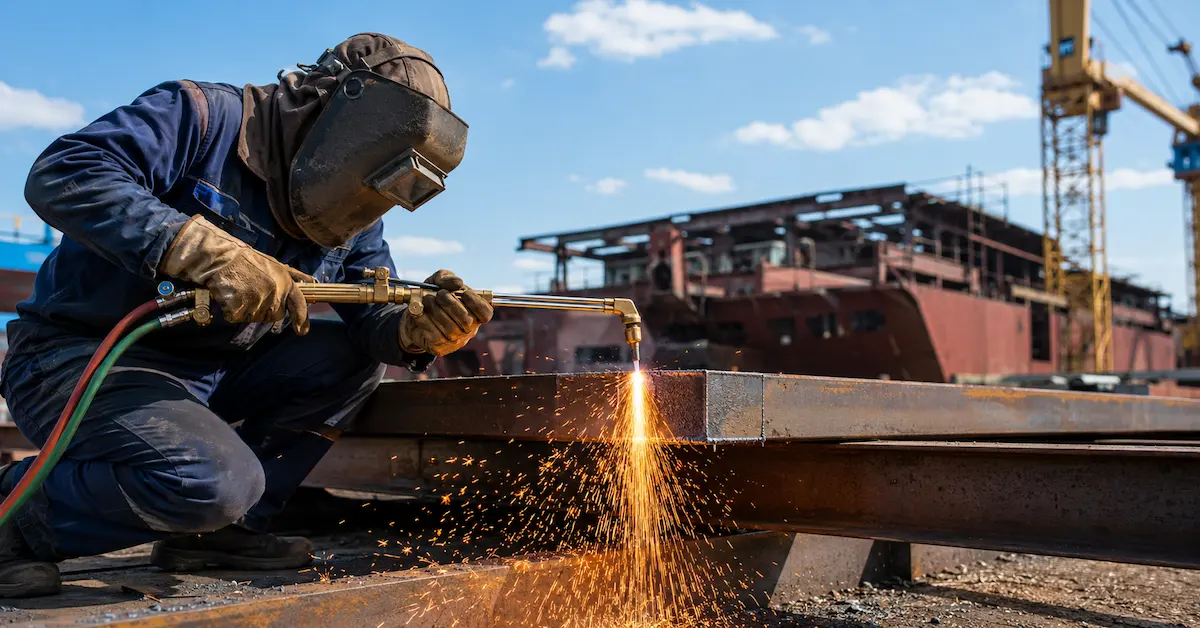
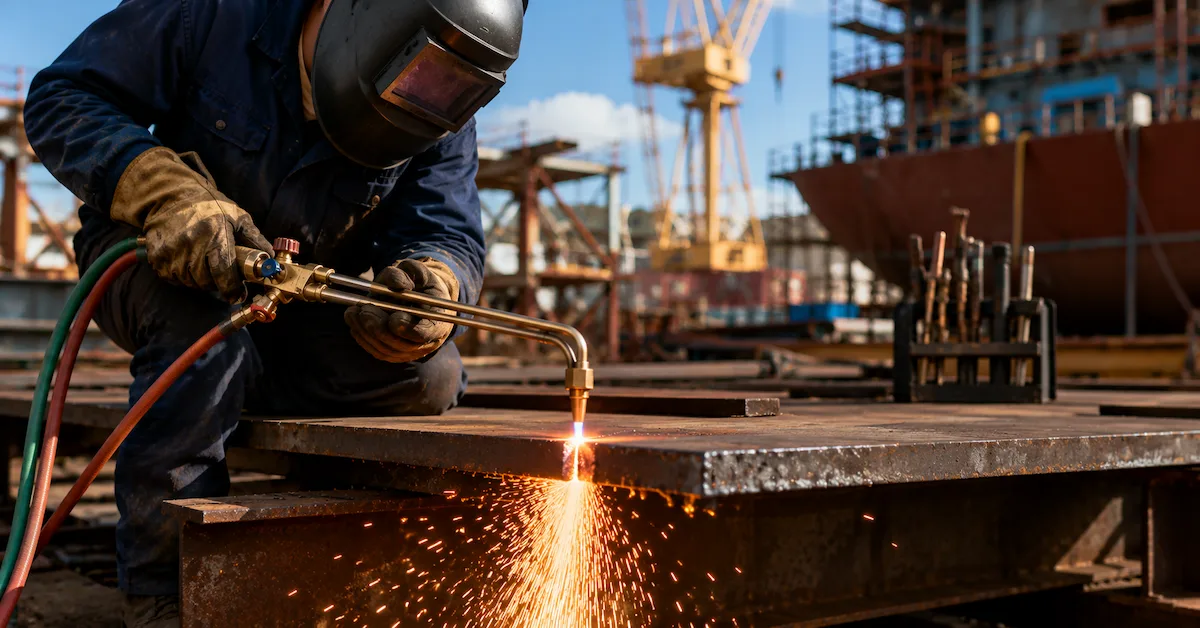
Gas cutting tools are widely used in metal fabrication, construction, machinery repair, structural steel processing, and industrial maintenance. Buyers should check whether the supplier offers cutting torches, regulators, accessories, and related gas control products.
Good gas cutting tools should support:
- Stable flame control
- Reliable gas flow regulation
- Durable metal components
- Comfortable operation
- Compatibility with professional cutting applications
- Consistent performance in workshops and job sites
For buyers serving fabrication shops or construction contractors, gas cutting products are often high-demand items that require stable quality and repeat supply.
2. Welding Tools and TIG Torches
Welding tools are used in production welding, repair welding, thin-sheet fabrication, stainless steel work, automotive repair, and general metal joining. TIG torches, MIG-related tools, welding accessories, and portable welding solutions should be evaluated based on duty cycle, cable quality, handle design, cooling method, connector type, and spare parts availability.
For example, an air-cooled TIG torch may be suitable for many general welding jobs, while a water-cooled TIG torch is often preferred for higher-duty welding work. A professional supplier should explain these differences clearly instead of only giving a product list.
3. Gas Heating and Brazing Tools
Heating torches and brazing tools are commonly used in plumbing, HVAC/R installation, maintenance, metal preparation, and field service. Buyers should look at ignition design, flame type, torch head material, gas compatibility, and all-position operation.
For technicians working on job sites, portability and reliability are important. A torch that works smoothly in different angles and environments can improve work efficiency and reduce downtime.
4. HVAC/R Tools
HVAC/R installation and maintenance require reliable brazing, heating, gas control, and repair tools. Products used in this field should support clean joints, controlled heating, portability, and safe operation.
A supplier serving HVAC/R buyers should understand field conditions, including rooftop service, refrigeration pipe connection, workshop maintenance, and on-site repair. The supplier should also provide product options suitable for professional technicians rather than only general-purpose tools.
5. Safety Equipment
Welding safety products help protect users from sparks, heat, radiation, and workplace hazards. A complete welding tools supplier should also provide safety-related products such as welding helmets, gloves, protective gear, and accessories.
For distributors, safety products are useful for building a complete sales package. For industrial users, safety equipment supports worker protection and compliance.
6. Medical and Special Gas Control Applications
Some welding and gas control technologies may also be used in more specialized applications. Buyers in these sectors usually require stricter quality expectations, stable performance, and careful product documentation.
A supplier with experience across multiple industries is usually better prepared to support special application needs.
Buyer Types That Need a Professional Welding Tools Supplier
Different buyers search for a professional welding tools supplier with different goals. Understanding your own buying role helps you evaluate the supplier more accurately.
| Buyer Type | Main Need | Supplier Requirement |
|---|---|---|
| Welding tool distributors | Stable product line for resale | Full catalog, repeat supply, marketing support |
| Industrial wholesalers | Competitive bulk supply | Consistent quality, pricing stability, packaging options |
| Metal fabrication companies | Reliable daily-use tools | Durability, technical fit, fast replacement |
| HVAC/R contractors | Portable field tools | Easy operation, flame control, practical kits |
| Automotive repair shops | Tools for panels and exhaust work | Versatile welding and cutting solutions |
| OEM/ODM brands | Private-label products | Engineering support, customization, compliance |
| Construction contractors | On-site cutting and welding | Rugged tools, safety, stable supply |
| Maintenance teams | Repair and emergency work | Practical products, spare parts, fast delivery |
A supplier that understands these buyer groups can recommend products more accurately and support long-term growth.
How to Evaluate Product Quality
Product quality should not be judged only by appearance. Welding and cutting tools need to perform consistently under real working conditions.
Materials and Components
Important parts may include brass components, stainless steel tips, valves, handles, cables, connectors, hoses, and torch heads. The supplier should be able to explain why certain materials are used and how they affect durability, heat resistance, gas control, or user comfort.
Flame and Gas Control
For gas cutting, heating, and brazing tools, stable gas flow and flame control are critical. Poor control can lead to inefficient work, unstable heating, and safety concerns.
Cable and Connector Reliability
For welding torches, cable length, connector type, insulation, flexibility, and durability affect daily use. Industrial buyers should check whether the product is suitable for their machines and working environment.
Ergonomic Design
Professional users often hold tools for long periods. Handle comfort, trigger design, torch balance, and easy operation can improve productivity and reduce fatigue.
Batch Consistency
A sample may look good, but bulk orders must remain consistent. A professional welding tools supplier should have quality control procedures to reduce variation between batches.
Quality Control and Certification Are Essential
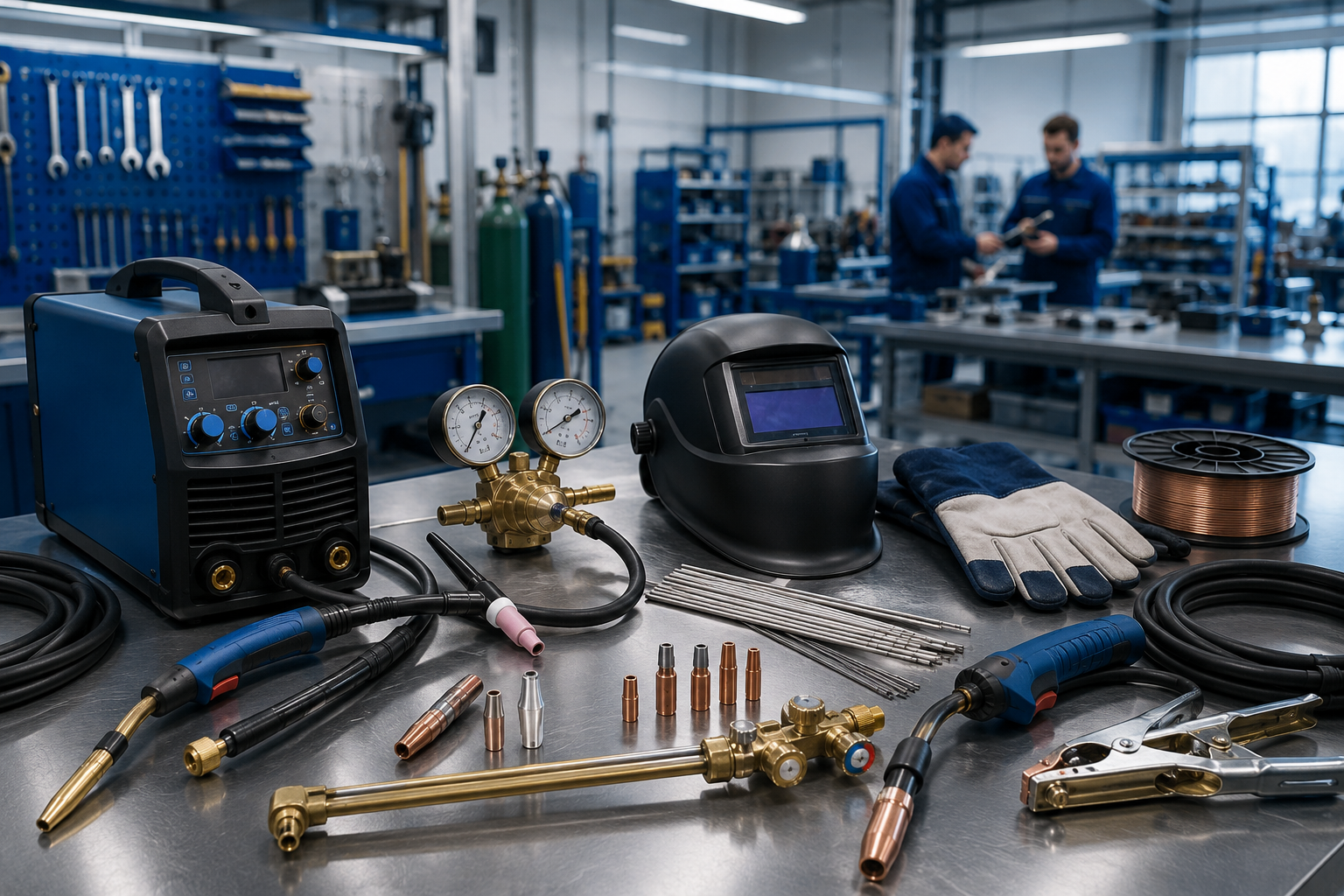
For international buyers, quality control and compliance are not optional. They affect market access, customer trust, and long-term sales.
When choosing a professional welding tools supplier, ask about:
- ISO quality management system
- Product testing process
- Inspection steps before shipment
- Certification documents
- Regional compliance experience
- Traceability for quality issues
- Packaging and shipment inspection
UWELD emphasizes quality systems and international compliance as part of its supplier value. Buyers can learn more about the company’s background, manufacturing foundation, and quality direction on the About UWELD page.
A useful supplier should not only say “good quality.” It should explain how quality is controlled, what standards are considered, and how problems are handled if they occur.
Why OEM/ODM Capability Matters
Many buyers are not only purchasing existing products. They may need custom packaging, private labels, product adjustments, market-specific models, or complete OEM/ODM development.
A professional welding tools supplier with OEM/ODM capability can help with:
- Logo and branding customization
- Packaging design support
- Product structure adjustment
- Component selection
- Market-specific compliance requirements
- New product development
- Bulk order planning
- Long-term product line expansion
For brand owners, OEM/ODM support is especially valuable because it helps build product differentiation. Instead of selling the same generic tool as every competitor, buyers can develop a more suitable product line for their target market.
UWELD supports both branded product distribution and custom manufacturing cooperation. Buyers can choose ready-to-market UWELD products or explore customized solutions based on specific business goals through UWELD solutions.
Application Scenarios for Professional Welding Tools
A strong welding tools supplier should understand where products are used. Application knowledge makes product recommendations more accurate.
Metal Fabrication
Metal fabrication requires cutting, welding, grinding, heating, and assembly. Tools must be durable and suitable for repeated industrial use. Common users include metal workshops, steel structure factories, machinery manufacturers, and custom fabrication shops.
Recommended product focus:
- Gas cutting tools
- TIG/MIG welding tools
- Regulators
- Heating torches
- Safety equipment
HVAC/R Installation and Maintenance
HVAC/R technicians need portable tools for copper pipe brazing, heating, maintenance, and repair. Products must support stable flame control and field operation.
Recommended product focus:
- Brazing torches
- Heating torches
- Regulators
- Portable tool kits
- HVAC/R application tools
Automotive Repair and Restoration
Automotive repair shops often handle thin-gauge panels, exhaust systems, metal brackets, and restoration projects. They need controlled welding and cutting tools that can support repair precision.
Recommended product focus:
- TIG torches
- MIG-related welding tools
- Plasma or cutting tools
- Heating tools
- Safety products
Construction and On-Site Work
Construction sites need rugged and practical tools. Products may be used outdoors, moved frequently, and operated in demanding conditions.
Recommended product focus:
- Gas cutting systems
- Heating tools
- Portable welding tools
- Protective equipment
- Durable accessories
Industrial Maintenance
Maintenance teams need tools for repair, replacement, emergency work, and equipment service. They value reliability, easy operation, and fast availability.
Recommended product focus:
- Multi-purpose torches
- Cutting tools
- Regulators
- Welding accessories
- Spare parts
Supplier Comparison: Trading Company vs Professional Manufacturer
| Evaluation Point | General Trading Supplier | Professional Welding Tools Supplier |
|---|---|---|
| Product knowledge | Limited | Stronger application and technical understanding |
| Quality control | Depends on outside factories | More direct inspection and process control |
| Customization | Limited flexibility | Better OEM/ODM support |
| Batch consistency | May vary | More stable for long-term orders |
| Compliance support | Often incomplete | Better document and standard awareness |
| Technical communication | Basic | More suitable for industrial buyers |
| Long-term cooperation | Price-driven | Product and solution-driven |
This does not mean every trading company is unsuitable. However, for buyers who need stable supply, market compliance, or customized product lines, a professional welding tools supplier or manufacturer usually provides stronger long-term value.
Questions to Ask Before Placing an Order
Before choosing a supplier, ask practical questions that reveal real capability:
- What welding and cutting tool categories do you supply?
- Do you support OEM/ODM or private-label projects?
- What certifications or standards do your products follow?
- How do you control product quality before shipment?
- Can you provide product specifications and technical documents?
- What industries are your products commonly used in?
- Do you support distributors with product line planning?
- What is your normal lead time for repeat orders?
- Can you provide samples for testing?
- How do you handle after-sales issues or product feedback?
A professional supplier should answer these questions clearly. If the supplier avoids technical details or cannot provide documentation, buyers should be cautious.
Cost Considerations: Do Not Compare Price Alone
Price is important, but it should not be the only factor. In welding and cutting tools, the real cost includes product failure, customer complaints, warranty claims, replacement parts, delayed delivery, and lost trust.
A lower unit price may become more expensive if:
- Products fail during professional use
- End customers return tools frequently
- Flame control or welding performance is unstable
- Certification documents are missing
- Packaging is weak and causes shipment damage
- Spare parts are unavailable
- The supplier cannot repeat the same quality in future orders
A professional welding tools supplier helps buyers control total cost by providing stable quality, better technical fit, and long-term supply planning.
Why Global Buyers Work with UWELD
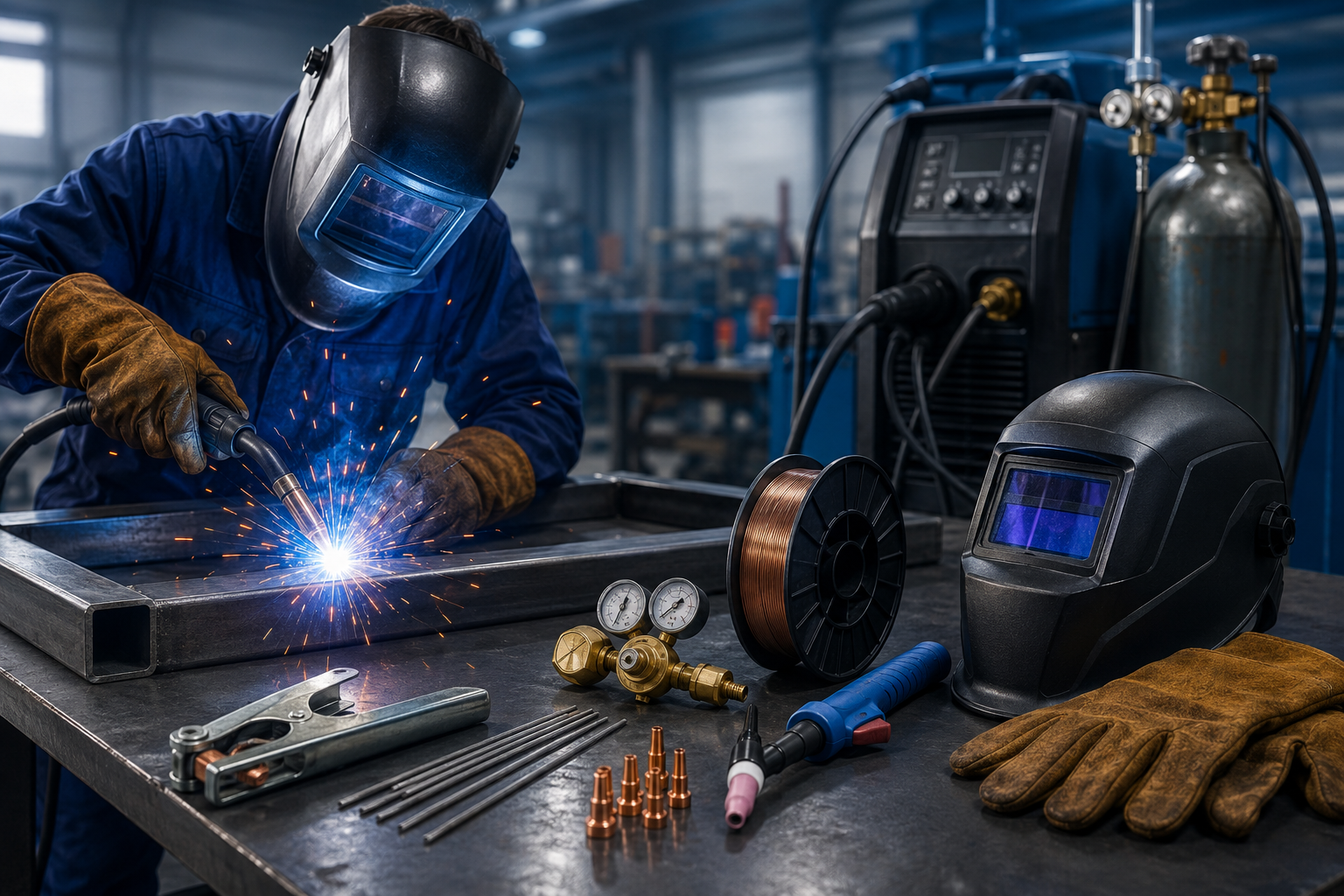
UWELD is positioned as a professional supplier of high-performance welding and cutting tools for global industrial buyers. The company provides a broad product range, including oxy-fuel cutting tools, MIG/TIG welding systems, torches, regulators, brazing tools, heating torches, HVAC tools, and related accessories.
For buyers who need more than basic product sourcing, UWELD offers several advantages:
- Broad welding and cutting product categories
- Experience in industrial tool supply
- Support for global buyers and distributors
- Product options for fabrication, HVAC/R, automotive repair, construction, and maintenance
- OEM/ODM and custom manufacturing support
- Quality control and compliance-focused production
- Long-term cooperation for branded and private-label projects
Buyers can explore UWELD’s product categories on the products page or learn more about the company background on the about UWELD page.
FAQ: Professional Welding Tools Supplier
1. What makes a welding tools supplier professional?
A professional welding tools supplier should provide stable product quality, technical support, quality control, compliance awareness, and product options for different industrial applications.
2. What products should a welding tools supplier offer?
A complete supplier should offer welding tools, gas cutting tools, TIG torches, heating torches, regulators, HVAC/R tools, safety equipment, and accessories.
3. Why is quality control important for welding tools?
Quality control ensures that products perform consistently, remain safe to use, and meet buyer expectations across repeat orders and different markets.
4. Can welding tools be customized?
Yes. Many professional suppliers provide OEM/ODM customization, including branding, packaging, product structure changes, and market-specific configurations.
5. What industries use professional welding tools?
Common industries include metal fabrication, construction, HVAC/R installation, automotive repair, machinery maintenance, industrial production, and repair service.
6. How can distributors choose the right welding tools supplier?
Distributors should check product range, certifications, supply stability, packaging options, technical documentation, after-sales support, and long-term cooperation capability.
7. Are certifications important when buying welding and cutting tools?
Yes. Certifications and standards help buyers meet market expectations and reduce compliance risks, especially in international trade.
8. What is the difference between air-cooled and water-cooled TIG torches?
Air-cooled TIG torches are often suitable for general applications, while water-cooled TIG torches are better for higher-duty welding work where heat management is important.
9. Why should buyers avoid choosing only by price?
Low prices may lead to unstable quality, higher return rates, poor user experience, and more after-sales problems. Total cost is more important than unit price alone.
10. How can I contact UWELD for welding tool supply?
You can contact UWELD through the solutions page to discuss welding tools, cutting tools, HVAC/R tools, OEM/ODM projects, or distributor cooperation.
Conclusion
Choosing a professional welding tools supplier is a strategic decision for industrial buyers, distributors, and OEM/ODM brands. The right supplier should provide reliable products, technical understanding, quality control, compliance support, and long-term cooperation value.
For businesses sourcing welding tools, gas cutting tools, heating torches, HVAC/R tools, safety products, or customized industrial solutions, UWELD offers a practical supplier option backed by manufacturing capability, product range, and application-focused support.
To explore suitable products or discuss custom cooperation, visit UWELD’s product center or contact the team through UWELD solutions.