

Why Cutting Torch Nozzle Quality Matters in Gas Cutting
A cutting torch nozzle is one of the most important components in an oxy-fuel cutting system. Although it is a small consumable part, its design, material quality, gas compatibility, and manufacturing accuracy directly influence cutting performance.
For professional users and industrial buyers, selecting the right cutting torch nozzle can affect:
- Cutting speed
- Flame stability
- Cutting edge quality
- Oxygen consumption
- Nozzle service life
- Overall operating cost
A poor-quality nozzle may cause unstable flames, excessive gas consumption, uneven cutting surfaces, and frequent replacement.
For distributors, importers, and industrial suppliers, choosing a reliable cutting nozzle supplier is not only about product price. It requires evaluating product consistency, application compatibility, technical support, and long-term supply capability.
UWELD provides gas cutting solutions including cutting torches, gas regulators, welding accessories, and cutting consumables for professional applications. Buyers can explore UWELD’s gas cutting products for industrial sourcing requirements.

What Is a Cutting Torch Nozzle?
A cutting torch nozzle is a precision component installed at the end of a cutting torch. It controls the flow of oxygen and fuel gas while forming the cutting flame required for metal processing.
The nozzle design determines:
- Preheating flame performance
- Cutting oxygen flow
- Flame concentration
- Heat distribution
- Cutting efficiency
A suitable nozzle must match the complete cutting system, including:
- Torch model
- Fuel gas type
- Material thickness
- Cutting application
- Working pressure
How Does a Cutting Torch Nozzle Work?
During oxy-fuel cutting, the nozzle performs two main functions:
Preheating Function
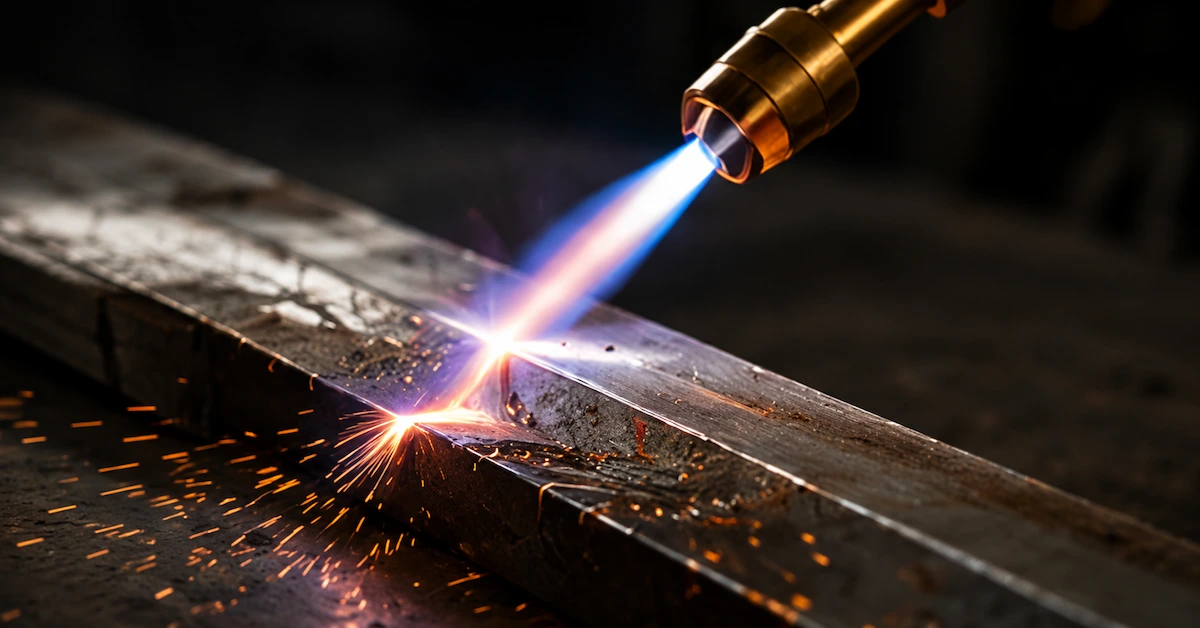
The fuel gas and oxygen mixture creates a preheating flame that raises the metal temperature to the ignition point.
Cutting Oxygen Function
A high-pressure oxygen jet then removes molten metal and creates the cutting path.
The nozzle structure affects:
- Oxygen flow direction
- Flame stability
- Cutting speed
- Cut surface quality
This is why nozzle geometry and manufacturing accuracy are critical for professional cutting operations.
Different Types of Cutting Torch Nozzles
Different cutting applications require different nozzle designs.
Oxygen Acetylene Cutting Nozzles
Oxygen acetylene nozzles are widely used for:
- Steel cutting
- Metal fabrication
- Repair work
- Workshop applications
Advantages include:
- High flame temperature
- Fast heating capability
- Precise cutting performance
They are commonly selected for applications requiring strong heating performance and controlled cutting.
Propane Cutting Nozzles
Propane cutting nozzles are designed for applications using propane fuel gas.
Typical advantages include:
- Efficient fuel consumption
- Stable operation
- Suitable industrial performance
They are often used in:
- Construction
- Maintenance
- Heavy fabrication
Heavy Duty Cutting Nozzles
Heavy-duty nozzles are designed for demanding working environments.
Common applications include:
- Thick steel cutting
- Industrial production
- Shipbuilding
- Large fabrication projects
They focus on:
- Long service life
- Heat resistance
- Continuous operation capability
Key Factors When Selecting a Cutting Torch Nozzle
1. Match the Fuel Gas Type
The first step is confirming gas compatibility.
Common combinations include:
| Gas Type | Application |
|---|---|
| Oxygen + Acetylene | Precision cutting and fabrication |
| Oxygen + Propane | Industrial cutting and maintenance |
| Oxygen + Natural Gas | Specific industrial applications |
Using an incorrect nozzle may result in poor flame performance and inefficient gas usage.
2. Consider Cutting Thickness
Different material thicknesses require different nozzle sizes.
Buyers should evaluate:
- Steel thickness
- Required cutting speed
- Oxygen flow requirement
- Heat input
A nozzle designed for thin sheet cutting may not perform well on heavy steel plates.
3. Evaluate Nozzle Material
Material quality affects:
- Heat resistance
- Wear resistance
- Service life
- Cutting stability
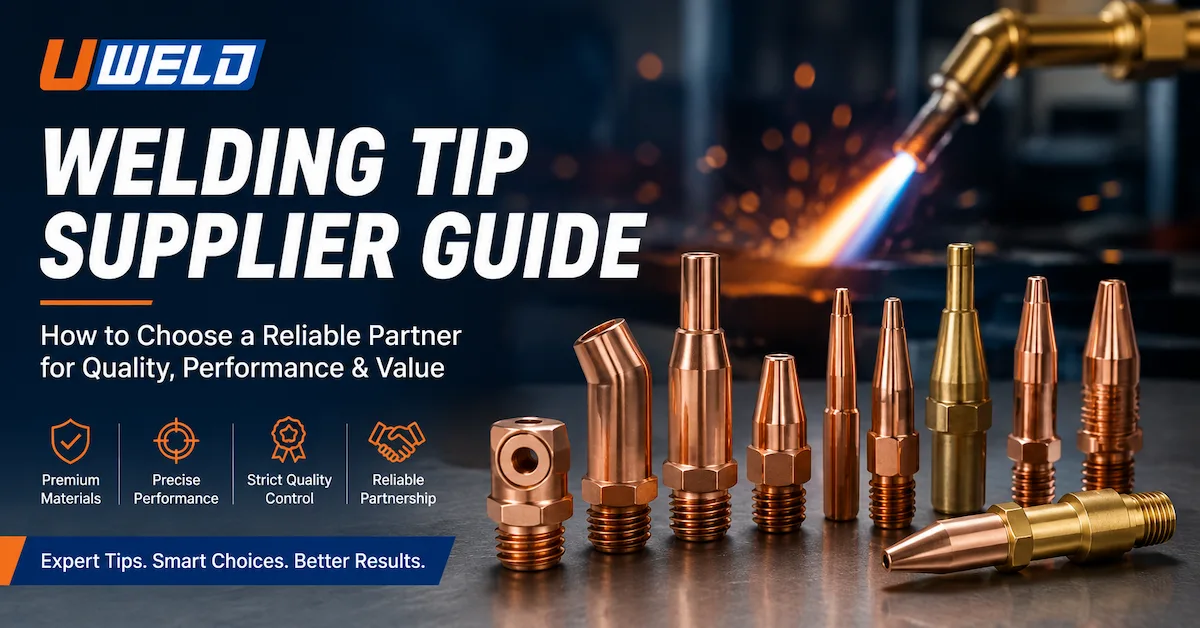
Common nozzle materials include:
Copper
Advantages:
- Good thermal conductivity
- Reliable heat dissipation
- Common industrial application
Copper Alloy
Advantages:
- Improved durability
- Better wear resistance
- Suitable for longer working cycles
A professional cutting torch nozzle supplier should provide clear material specifications and product information.
4. Check Torch Compatibility
Not every nozzle fits every cutting torch.
Before ordering, buyers should confirm:
- Torch model
- Connection type
- Nozzle design
- Gas compatibility
Incorrect matching may lead to:
- Gas leakage
- Poor flame quality
- Reduced cutting performance
Common Problems Caused by Poor Cutting Torch Nozzles
Unstable Flame
Possible causes:
- Incorrect nozzle selection
- Damaged nozzle tip
- Poor manufacturing accuracy
Uneven Cutting Surface
A poor nozzle may cause:
- Irregular cutting edges
- Excessive slag
- Reduced cutting precision
Increased Gas Consumption
Incorrect nozzle design can increase oxygen or fuel usage, increasing operating costs.
Short Service Life
Low-quality materials and poor machining accuracy may result in faster wear.
For industrial buyers, nozzle reliability directly affects productivity and maintenance costs.
Cutting Torch Nozzle Applications
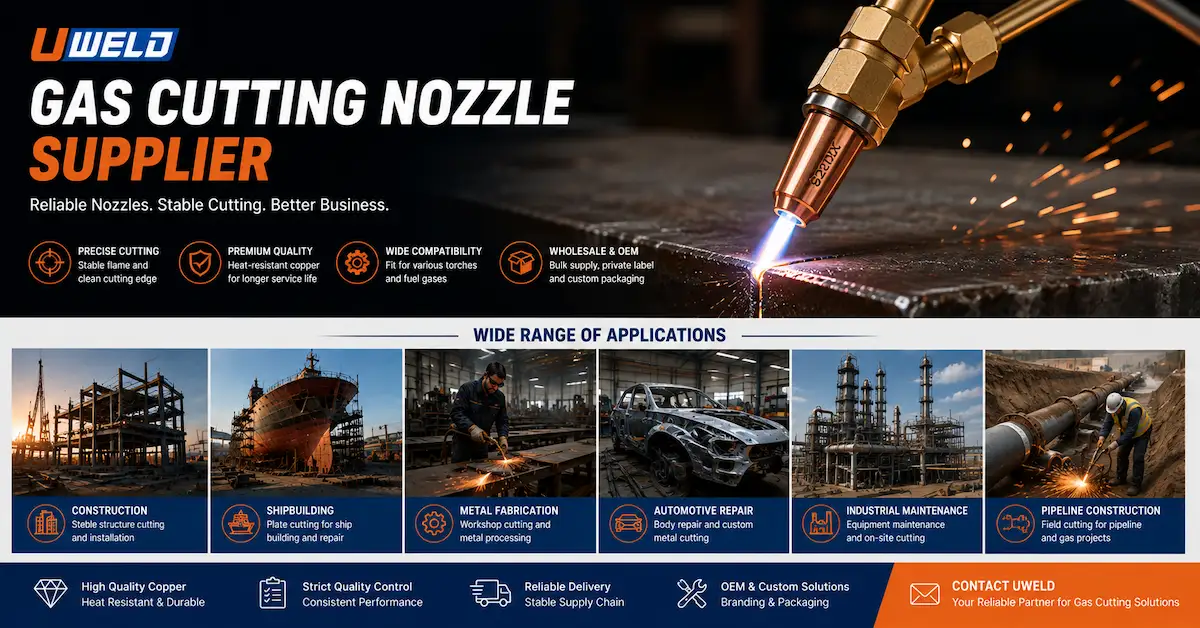
Metal Fabrication
Cutting nozzles are widely used for:
- Steel structures
- Machinery fabrication
- Custom metal processing
Construction Projects
Applications include:
- Steel frame cutting
- Equipment installation
- Field repair
Shipbuilding and Heavy Industry
Heavy-duty cutting nozzles support:
- Large steel plate cutting
- Continuous industrial operations
- Heavy fabrication processes
Maintenance and Repair
Portable cutting systems commonly use nozzles for:
- Equipment repair
- Metal modification
- On-site cutting work
How to Choose a Reliable Cutting Torch Nozzle Supplier
For distributors and industrial buyers, supplier evaluation should include more than product availability.
Product Range
A reliable supplier should offer:
- Different nozzle types
- Multiple sizes
- Various gas applications
- Compatible cutting accessories
Manufacturing Capability
Important factors include:
- Material control
- Precision machining
- Dimensional inspection
- Batch consistency
Quality Control
Professional suppliers should check:
- Product dimensions
- Gas flow performance
- Appearance quality
- Packaging accuracy
OEM and Custom Solutions
For distributors and private brands, suppliers may provide:
- Custom packaging
- Logo printing
- Product combinations
- OEM cooperation
UWELD supports global welding and cutting equipment buyers with product solutions, manufacturing support, and customized supply options.
Cutting Torch Nozzle Selection Checklist
| Evaluation Item | Buyer Consideration |
|---|---|
| Gas type | Match oxygen and fuel gas requirements |
| Torch compatibility | Confirm correct model |
| Nozzle size | Match cutting thickness |
| Material | Ensure durability and heat resistance |
| Application | Select suitable nozzle design |
| Supplier capability | Ensure stable supply |
| Quality control | Reduce product risks |
| OEM support | Support market customization |
Wholesale Buying Tips for Cutting Torch Nozzles
For bulk buyers, consider:
Do Not Choose Only by Price
Lower-cost products may create:
- Higher replacement frequency
- Customer complaints
- Increased operating costs
Test Samples Before Bulk Orders
Sample testing helps verify:
- Compatibility
- Cutting performance
- Product consistency
Build Long-Term Supplier Relationships
A stable supplier provides:
- Reliable delivery
- Technical support
- Consistent quality
FAQ About Cutting Torch Nozzles
What is a cutting torch nozzle used for?
A cutting torch nozzle controls oxygen and fuel gas flow to create the flame required for oxy-fuel cutting applications.
How do I choose the right cutting torch nozzle?
Choose according to fuel gas type, torch compatibility, material thickness, nozzle size, and cutting requirements.
What is the difference between oxygen acetylene and propane cutting nozzles?
Oxygen acetylene nozzles are commonly used for high-temperature cutting, while propane nozzles are designed for propane-based fuel systems and industrial applications.
How long does a cutting torch nozzle last?
Service life depends on material quality, operating conditions, gas pressure, maintenance, and cutting frequency.
Why is nozzle material important?
Material affects heat resistance, durability, wear performance, and long-term cutting stability.
Can one nozzle fit all cutting torches?
No. Different torches require specific nozzle designs, connections, and gas compatibility.
What should distributors check when selecting a cutting nozzle supplier?
Buyers should evaluate product range, quality control, manufacturing capability, delivery reliability, and OEM support.
Does UWELD supply cutting torch nozzles?
Yes. UWELD provides gas cutting products and related consumables for professional welding and cutting applications.
What industries use cutting torch nozzles?
Common industries include fabrication, construction, shipbuilding, manufacturing, and maintenance.
How can I request cutting nozzle solutions from UWELD?
Buyers can visit the UWELD contact page to discuss wholesale requirements, product specifications, and OEM projects.
Conclusion
Selecting the right cutting torch nozzle requires understanding gas compatibility, cutting requirements, nozzle design, material quality, and supplier capability.
For industrial buyers and distributors, a reliable cutting nozzle supplier can provide consistent performance, reduced operating costs, and stable long-term supply.
UWELD offers gas cutting solutions including cutting torches, nozzles, regulators, and welding accessories for global customers. Explore the UWELD product range or contact UWELD for wholesale and OEM cooperation.