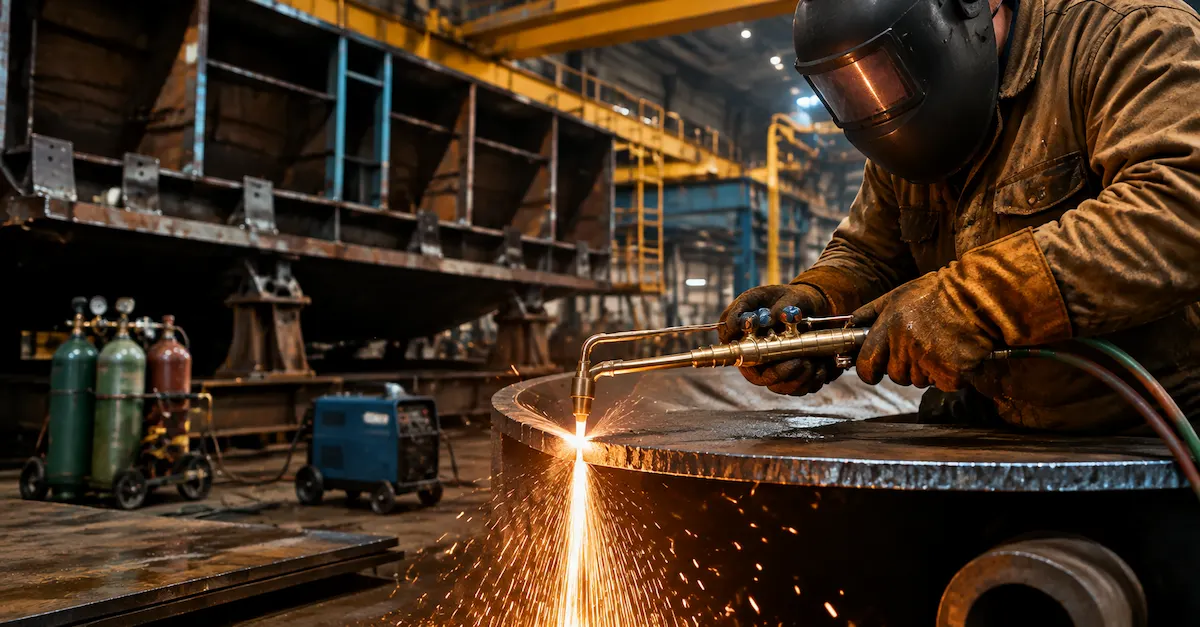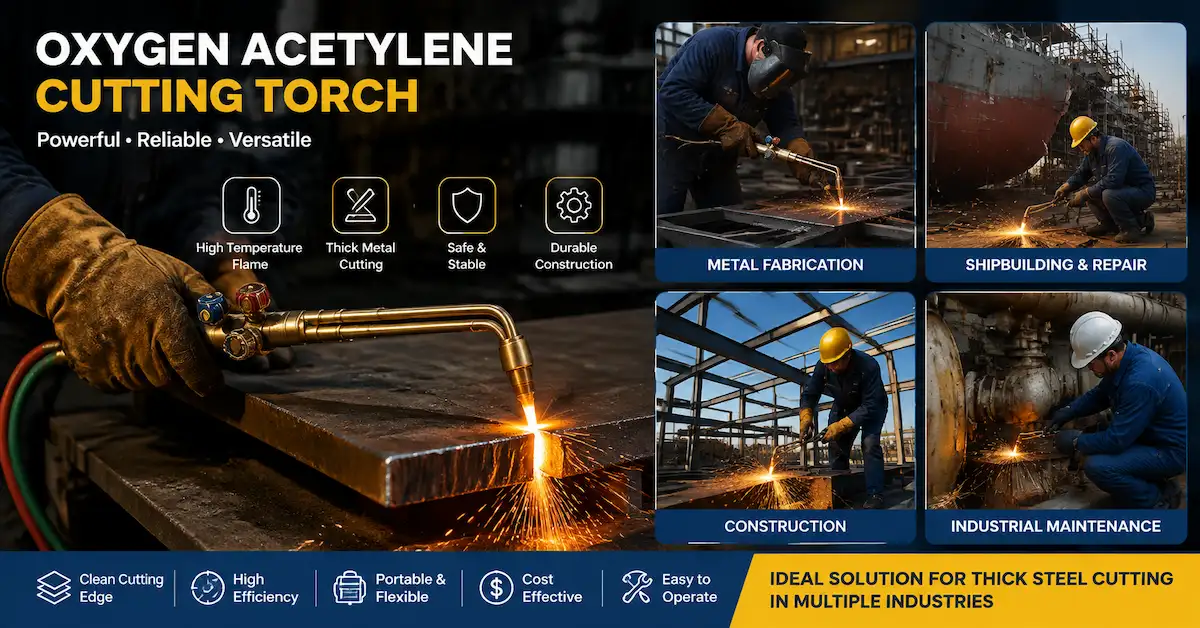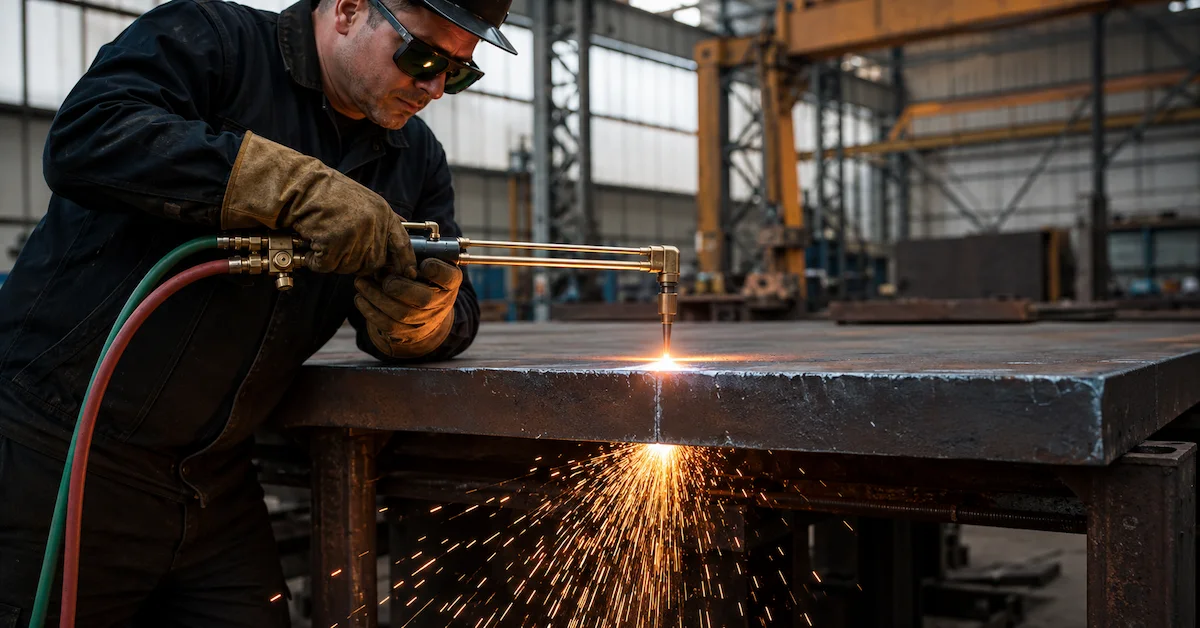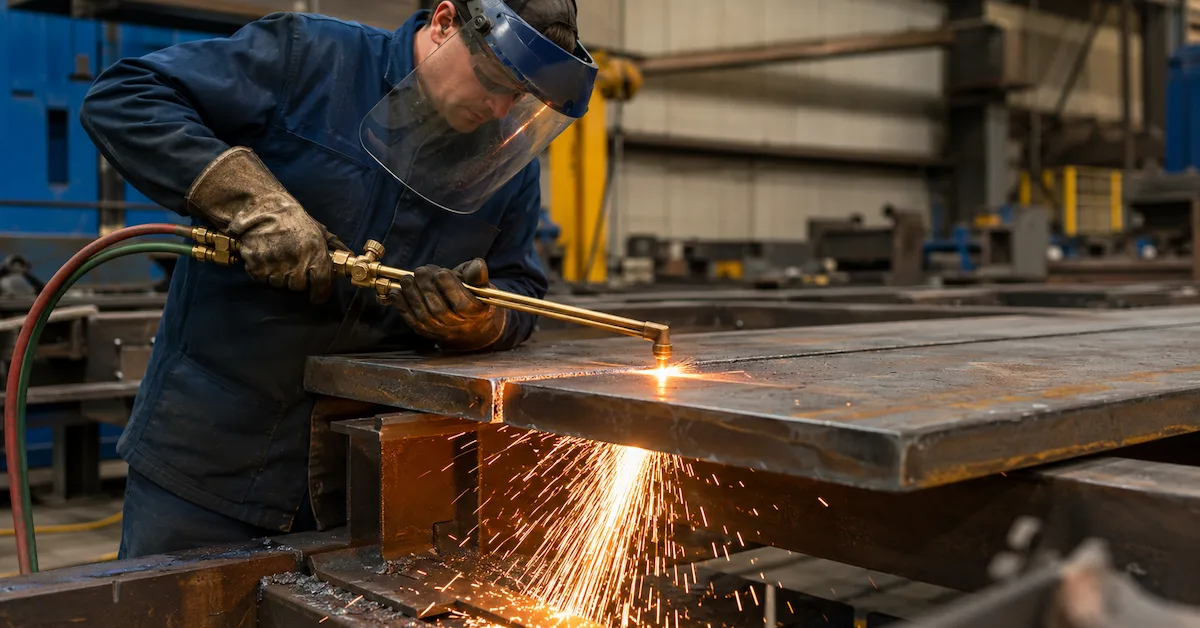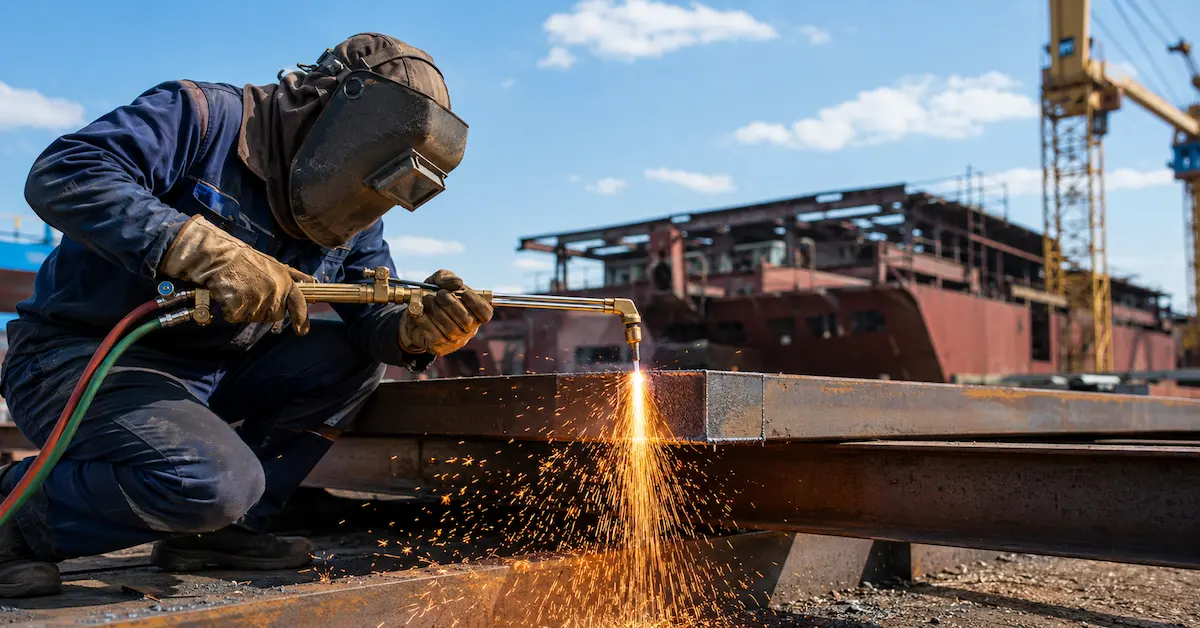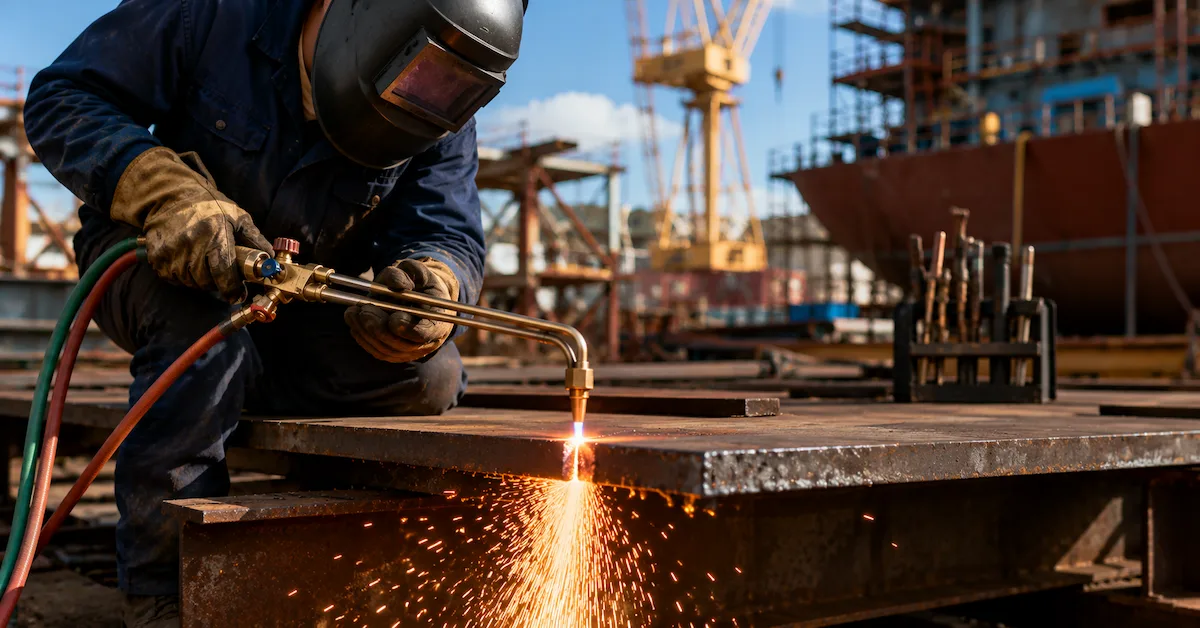


A professional gas cutting torch supplier should provide:
- Stable flame performance
- Correct gas compatibility
- Durable torch construction
- Accurate valve control
- Matched cutting tips
- Reliable regulator and hose compatibility
- Quality inspection before shipment
- OEM and private-label support
- Replacement parts availability
- Technical application support
For distributors and industrial buyers, the best supplier is not always the cheapest supplier. The right partner should help reduce product failures, customer complaints, and long-term sourcing risks.
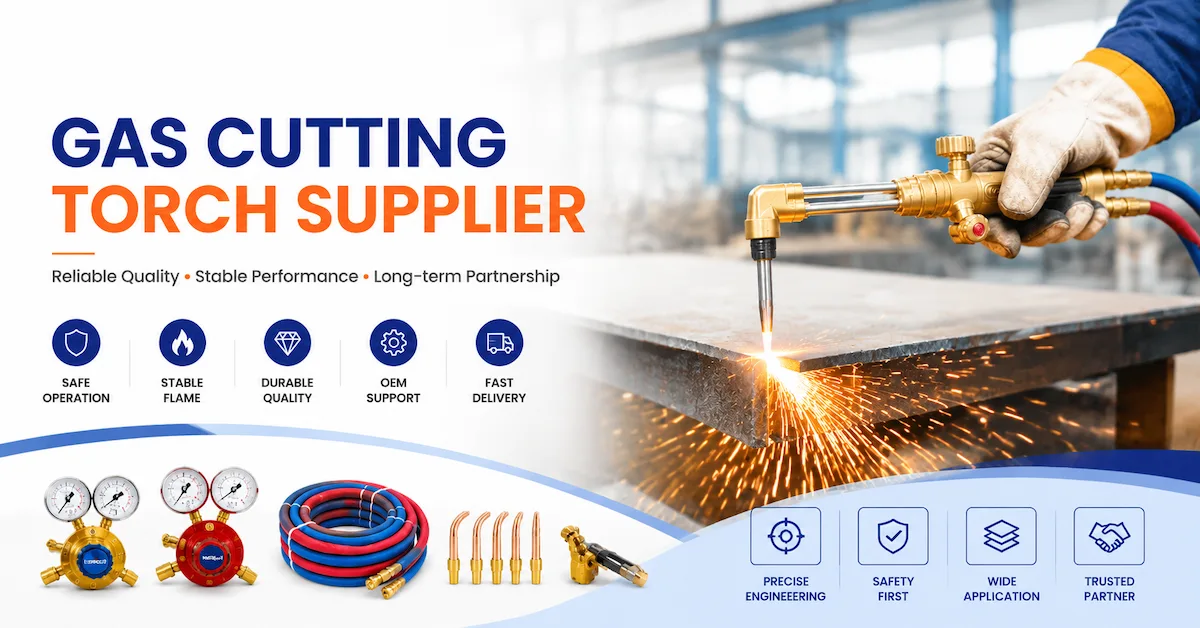
Why Choosing the Right Gas Cutting Torch Supplier Matters
For welding distributors, metal fabrication companies, construction contractors, industrial wholesalers, and OEM brands, selecting the right gas cutting torch supplier is an important sourcing decision.
A gas cutting torch is not only a handheld cutting tool. It is a complete system that controls fuel gas, oxygen flow, flame stability, cutting temperature, and cutting quality.
A poor-quality torch or incorrectly matched component may lead to:
- Unstable flame performance
- Poor cutting quality
- Higher gas consumption
- Short product lifespan
- Increased maintenance costs
- Safety concerns
A professional supplier should provide more than competitive pricing. Buyers need technical knowledge, quality control, product matching, and stable supply capability.
What Is a Gas Cutting Torch Supplier?
A gas cutting torch supplier provides cutting torches and related components for oxy-fuel cutting applications.
A professional supplier may provide:
- Manual cutting torches
- Heavy-duty cutting torches
- Combination welding and cutting torches
- Cutting attachments
- Cutting tips
- Gas regulators
- Hoses
- Flashback arrestors
- Replacement parts
- Complete cutting kits
A reliable supplier should help buyers select the correct configuration according to:
- Gas type
- Cutting thickness
- Application environment
- Connection requirements
- Market standards
Gas Cutting Torch Types Buyers Should Know
Manual Gas Cutting Torch
Manual cutting torches are widely used in:
- General fabrication
- Workshop cutting
- Repair operations
- Maintenance applications
Key Advantages
- Easy operation
- Flexible usage
- Lower investment
- Suitable for various cutting tasks
Heavy-Duty Gas Cutting Torch
Heavy-duty cutting torches are designed for demanding industrial applications.
Common industries include:
- Shipbuilding
- Steel processing
- Heavy fabrication
- Construction
Important Features
- Strong construction
- Higher cutting capacity
- Stable flame control
- Longer service life
Combination Welding and Cutting Torch
Combination torches allow users to perform both welding and cutting operations.
They are suitable for:
- Maintenance teams
- Small workshops
- Mobile repair applications
Benefits
- Reduced equipment investment
- Easier transportation
- Multi-purpose operation
How to Choose the Right Gas Cutting Torch
Choose Based on Gas Type
Different gases require different torch and tip configurations.
Buyers should confirm:
- Oxygen compatibility
- Acetylene application
- Propane application
- Required pressure range
- Suitable cutting tips
A professional gas cutting torch supplier should recommend products based on the complete gas system.
Choose Based on Cutting Thickness
Cutting thickness directly affects torch selection.
| Application | Recommended Torch Type |
|---|---|
| Thin metal sheets | Light-duty torch |
| Medium steel plates | Standard cutting torch |
| Heavy steel structures | Heavy-duty cutting torch |
The supplier should recommend the correct torch and tip combination instead of providing a universal product.
Choose Based on Working Environment
Different applications require different product features.
| Application | Important Requirements |
|---|---|
| Workshop fabrication | Stable performance |
| Construction site | Portable design |
| Ship repair | Heavy-duty durability |
| Maintenance work | Easy operation |
Why Torch, Tip, and Regulator Matching Matters
A gas cutting system consists of multiple components:
- Cutting torch
- Cutting tip
- Regulator
- Hose
- Safety devices
Each component must work together correctly.Cutting Torch and Cutting Tip Matching
The cutting tip affects:
- Flame shape
- Oxygen flow
- Cutting speed
- Cutting thickness
- Edge quality
Incorrect tip selection may cause:
- Poor cutting performance
- Excessive gas usage
- Unstable flame
Cutting Torch and Regulator Matching
The regulator controls gas pressure.
Buyers should confirm:
- Gas type
- Pressure range
- Connection standards
- Application requirements
Cutting Torch and Hose Matching
The hose should match:
- Gas type
- Pressure requirements
- Connection specifications
- Working environment
How a Professional Supplier Controls Gas Cutting Torch Quality
Material Inspection
A reliable supplier should control:
- Brass components
- Valve materials
- Seals
- Connectors
- Handles
- Cutting tips
Material consistency affects durability and product performance.
Machining Accuracy
Manufacturing accuracy affects:
- Gas flow
- Sealing performance
- Valve operation
- Component compatibility
Important inspection points include:
- Thread accuracy
- Internal passages
- Component dimensions
- Surface finishing
Leakage and Functional Testing
Professional suppliers should perform:
- Gas leakage tests
- Pressure tests
- Valve operation tests
- Flame tests
- Connection checks
OEM Gas Cutting Torch Solutions for Brands and Distributors
Many distributors and importers want their own product identity.
OEM Customization Options
A supplier may support:
- Logo printing
- Product marking
- Private-label packaging
- Color boxes
- Manuals
- Labels
- Tool kits
- Custom accessories
Benefits of OEM Gas Cutting Torches
OEM solutions help buyers:
- Build brand recognition
- Reduce price competition
- Create exclusive product lines
- Improve customer loyalty
How to Evaluate a Gas Cutting Torch Supplier
| Evaluation Area | Questions to Ask |
|---|---|
| Product range | Can they supply torches, tips, regulators, and accessories? |
| Technical knowledge | Can they recommend suitable products? |
| Quality control | What tests are performed? |
| OEM capability | Can they customize products? |
| Spare parts | Are replacement parts available? |
| Delivery | Can they support repeat orders? |
A strong supplier should act as a technical partner instead of only a product seller.
Application Industries for Gas Cutting Torches
Metal Fabrication
Used for:
- Steel cutting
- Structural fabrication
- Workshop production
Construction
Used for:
- Steel structure cutting
- Field repair
- Installation work
Shipbuilding and Ship Repair
Used for:
- Steel plate cutting
- Maintenance
- Component removal
Machinery Maintenance
Used for:
- Equipment repair
- Part removal
- Industrial servicing
Common Mistakes When Buying Gas Cutting Torches
Choosing Only by Price
Low-cost products may result in:
- Shorter lifespan
- More failures
- Higher replacement costs
Ignoring Compatibility
Torch, tip, regulator, and hose selection must be matched correctly.
Not Checking Spare Parts
Distributors should confirm availability of:
- Cutting tips
- Valves
- Seals
- Connectors
Skipping Sample Testing
Samples help verify:
- Product performance
- Cutting quality
- Compatibility
- Packaging
Why Choose UWELD as Your Gas Cutting Torch Supplier?
UWELD supports global buyers looking for professional welding and cutting solutions.
Key capabilities include:
- Gas cutting torch supply
- Cutting tip matching
- Regulator and hose solutions
- OEM/private-label support
- Distributor product planning
- Quality-focused manufacturing
- Long-term supply cooperation
Buyers can explore products through the UWELD product center, learn more through the About UWELD page, or contact the team through UWELD solutions.
FAQ: Gas Cutting Torch Supplier
What products does a gas cutting torch supplier provide?
A supplier may provide cutting torches, tips, regulators, hoses, accessories, and complete cutting kits.
How do I choose a gas cutting torch?
Consider gas type, cutting thickness, application environment, compatibility, and replacement parts.
Why is cutting tip selection important?
The cutting tip affects flame quality, oxygen flow, cutting speed, and cutting results.
Can gas cutting torches be customized?
Yes. Suppliers can support OEM branding, packaging, labels, and customized kits.
What industries use gas cutting torches?
Common industries include fabrication, construction, shipbuilding, maintenance, and manufacturing.
Why are spare parts important?
Replacement parts help distributors provide better after-sales service.
How can buyers test product quality?
Through samples, functional testing, compatibility checks, and supplier inspection records.
Can suppliers provide complete cutting systems?
Yes. Professional suppliers can provide torches, regulators, hoses, tips, and accessories.
Conclusion
Choosing the right gas cutting torch supplier requires evaluating more than product price.
Global buyers should consider:
- Torch quality
- Tip compatibility
- Gas requirements
- Regulator matching
- Quality control
- OEM capability
- Spare parts supply
- Long-term cooperation
A reliable supplier helps distributors, contractors, and industrial users reduce sourcing risks and build stable cutting solutions.
For gas cutting torches, cutting accessories, and professional welding solutions, UWELD provides reliable support for global buyers.
Explore the UWELD product center or contact UWELD solutions for product selection and cooperation.