

Why Choosing the Right CE Cutting Torch Supplier Matters
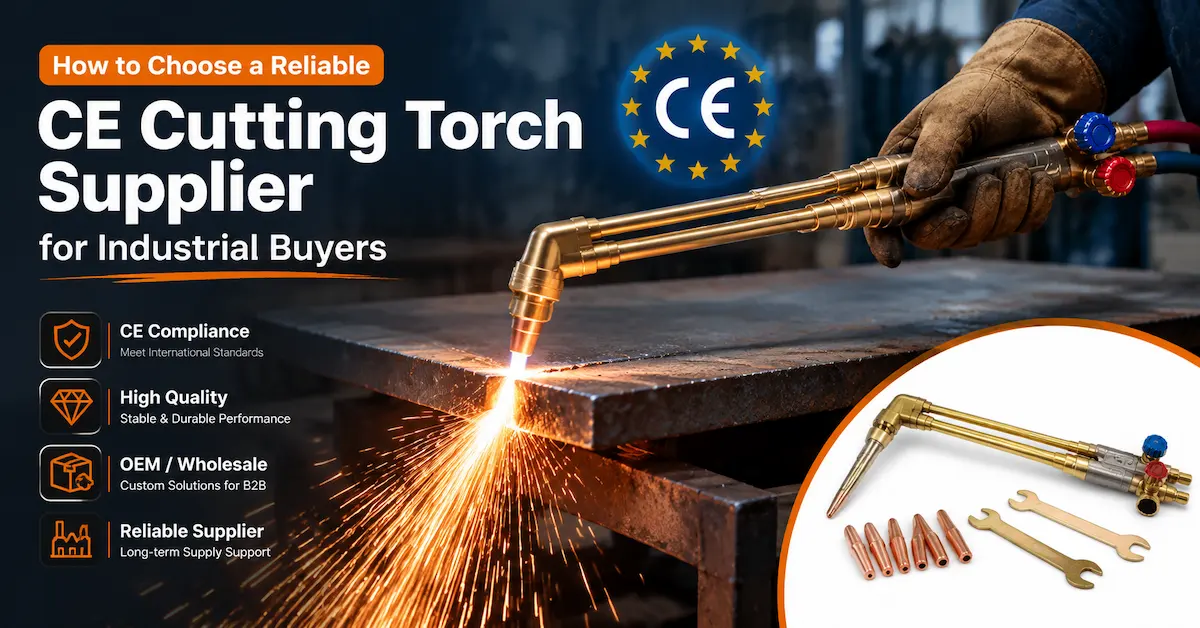
A reliable CE cutting torch supplier helps distributors and industrial buyers reduce sourcing risks by ensuring product compliance, stable quality, technical compatibility, and consistent supply. For international buyers, CE marking is not only a label on a product but also part of a broader evaluation process involving design, manufacturing control, documentation, testing, and market requirements.
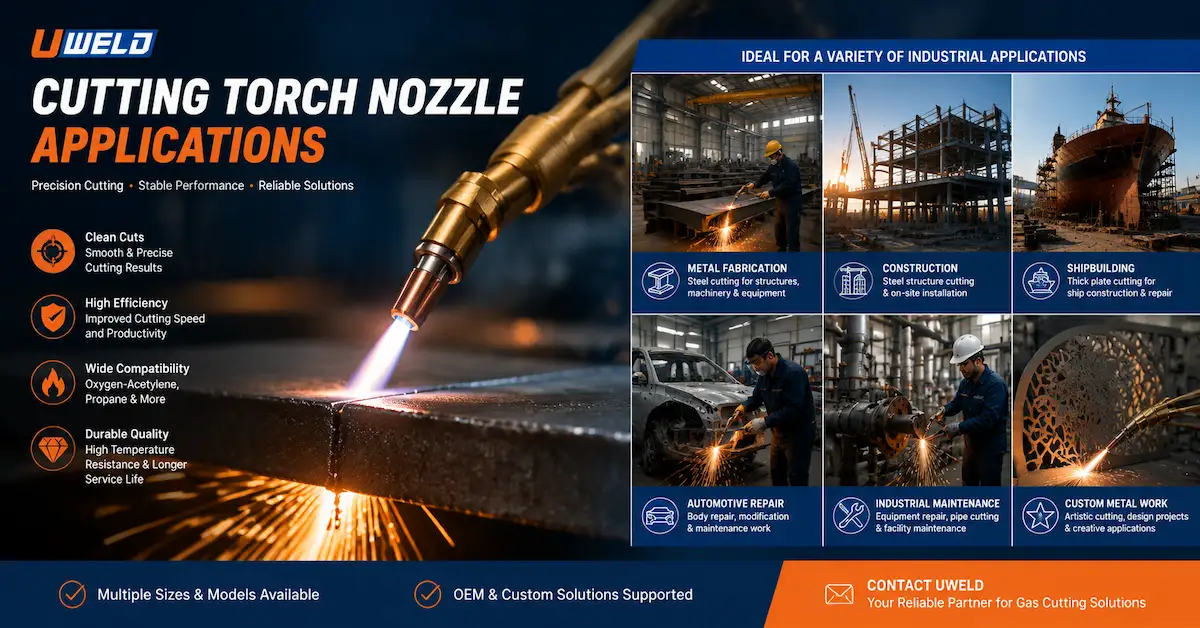
Gas cutting torches are safety-related industrial tools used in demanding environments such as metal fabrication, construction, shipbuilding, equipment maintenance, and repair operations. A supplier should therefore provide more than competitive pricing. Buyers need confidence that the torch design, components, production process, and quality control system can support long-term commercial use.
For companies sourcing welding and cutting equipment, the supplier selection process should consider:
- Applicable compliance requirements
- Gas and application compatibility
- Cutting performance
- Product consistency
- Factory quality management
- OEM and private-label capability
- After-sales and repeat-order support
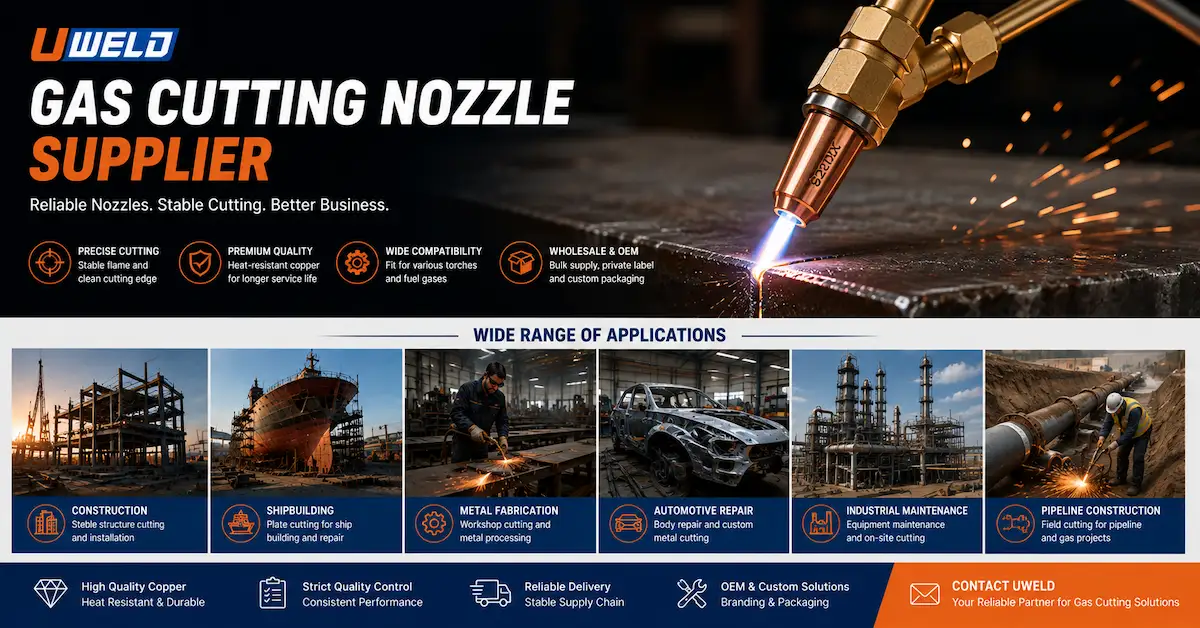
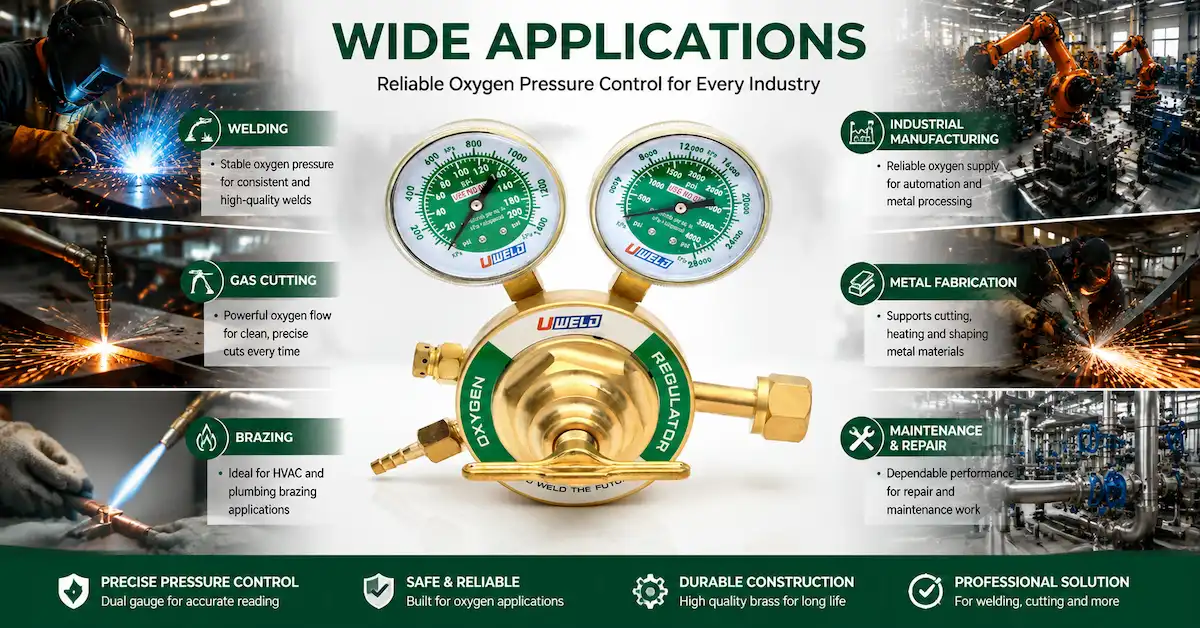
UWELD provides gas cutting equipment including cutting torches, regulators, nozzles, kits, and related accessories for industrial and professional applications. Buyers can review the company’s gas cutting product range when developing a welding and cutting product portfolio.
What Does a CE Cutting Torch Supplier Provide?
A professional CE cutting torch supplier should support the complete product lifecycle, from engineering and production to documentation and shipment.
Product Development and Engineering Support
Industrial buyers often need products that match specific market requirements.
A capable supplier should be able to support:
- Product selection
- Technical specification confirmation
- Application matching
- Component optimization
- Packaging requirements
- OEM development
This is especially important for distributors and private-label brands that need products adapted to their customers rather than standard catalog items only.
Manufacturing and Quality Control
A supplier's manufacturing capability directly affects product consistency.
Important evaluation factors include:
- Production process control
- Incoming material inspection
- Assembly accuracy
- Functional testing
- Final inspection
- Batch consistency
For industrial tools, one approved sample is not enough. The supplier must demonstrate the ability to reproduce the same quality across repeated production orders.
Who Needs a CE Cutting Torch Supplier?
Different buyers evaluate suppliers from different perspectives.
Welding Equipment Distributors
Distributors usually need:
- Reliable product quality
- Stable inventory support
- Competitive wholesale pricing
- Complete product categories
- Technical information for sales teams
- Replacement parts availability
A supplier that can provide cutting torches together with regulators, nozzles, and accessories can help distributors build a more complete product offering.
Industrial Tool Importers
Importers focus heavily on:
- Compliance documentation
- Product specifications
- Shipping requirements
- Packaging standards
- Market acceptance
Before importing, buyers should confirm whether the product documentation matches the destination market requirements.
Private Label Welding Brands
Private-label customers usually require deeper cooperation.
Typical requirements include:
- Brand logo customization
- Packaging design
- Product labels
- Accessory combinations
- Market-specific configurations
A CE cutting torch supplier with OEM experience can help brands develop a differentiated product line.
Fabrication and Construction Suppliers
These buyers are concerned with real application performance.
Their priorities include:
- Cutting capacity
- Torch durability
- Operator safety
- Ease of maintenance
- Compatibility with existing equipment
How to Evaluate CE Compliance for Cutting Torches
CE compliance should be considered as part of a complete product quality system rather than a simple marketing statement.
Check Product Documentation
Professional buyers should verify:
- Product identification
- Technical documentation
- Applicable standards
- Manufacturer information
- User instructions
- Safety information
Documentation consistency is especially important for importers selling into regulated markets.
Confirm the Applicable Standards
Gas cutting equipment may involve different technical requirements depending on product type and market.
For example, UWELD references EN ISO 5172 for torch-related products and EN ISO 2503 for regulators within its quality and certification information. Buyers should always confirm the exact certification scope for the specific product model being purchased.
Avoid Certification Misunderstandings
A common sourcing mistake is assuming that one certificate automatically covers every product from a supplier.
Professional buyers should confirm:
- Which product models are covered
- Which standards apply
- Whether documentation matches the supplied product
- Whether production remains controlled after approval
Key Technical Factors When Selecting a CE Cutting Torch
CE compliance is important, but product performance still depends on technical suitability.
Fuel Gas Compatibility
A cutting torch must match the intended fuel system.
Common considerations include:
- Acetylene compatibility
- Propane/LPG compatibility
- Oxygen supply requirements
- Nozzle selection
- Regulator matching
Using incompatible components can reduce performance and create operational risks.
Cutting Capacity
Buyers should select torches according to the thickness and type of material being cut.
Important factors include:
- Maximum cutting thickness
- Steel type
- Cutting frequency
- Working environment
- Required cutting speed
A workshop performing occasional maintenance may require a different torch from a heavy fabrication facility.
Torch Design and Construction
Industrial buyers should evaluate:
- Handle design
- Valve control
- Torch length
- Material quality
- Heat resistance
- Serviceability
A well-designed torch should provide stable operation while allowing operators to control gas flow effectively.
Nozzle and Consumable Availability
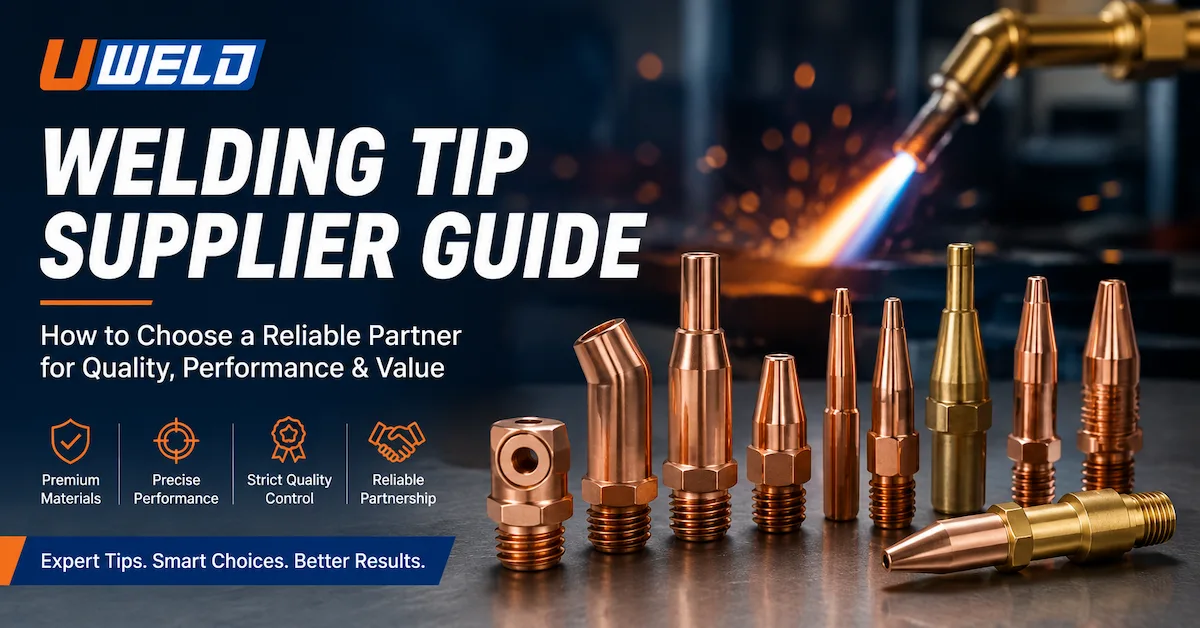
Nozzles and tips directly influence cutting performance.
A complete supplier solution should consider:
- Compatible nozzle models
- Replacement availability
- Different cutting thickness requirements
- Long-term spare parts supply
For distributors, consumables are also an important source of repeat business.
CE Cutting Torch Specification Checklist for Buyers
| Evaluation Item | Why It Matters |
|---|---|
| Fuel compatibility | Ensures correct application matching |
| Cutting capacity | Determines suitable working range |
| Torch length | Influences operation flexibility |
| Nozzle compatibility | Affects cutting quality and replacement options |
| Connection type | Prevents installation problems |
| Material quality | Impacts durability and service life |
| Valve performance | Affects operator control |
| Documentation | Supports market compliance |
| Packaging | Protects products during shipping |
| Spare parts | Supports customer satisfaction |
CE Cutting Torch Comparison: Standard vs Heavy-Duty Models
| Model Type | Features | Suitable Applications | Buyer Focus |
|---|---|---|---|
| Standard Cutting Torch | General-purpose design | Workshops and repair | Versatility and cost control |
| Heavy-Duty Cutting Torch | Stronger construction and higher workload capability | Fabrication and industrial cutting | Durability and long service life |
| Torch Kit | Includes accessories and matched components | Distributors and retail channels | Easier product selection |
| OEM Customized Torch | Branding and configuration options | Private-label brands | Market differentiation |
Choosing the right model range allows distributors to serve different customer groups without unnecessary product overlap.
Materials and Manufacturing Quality of Cutting Torches
The performance of a gas cutting torch depends heavily on manufacturing precision and component quality.
Important manufacturing considerations include:
Metal Components
Key parts require:
- Dimensional accuracy
- Corrosion resistance
- Stable machining quality
- Reliable assembly
Valve and Internal Components
Gas control components must maintain:
- Smooth operation
- Stable adjustment
- Reliable sealing
Assembly Process
Production consistency requires controlled assembly procedures.
Important checks include:
- Component matching
- Connection accuracy
- Functional testing
- Final inspection
A professional supplier should be able to explain how quality is maintained from raw materials to finished products.
How OEM Buyers Can Work With a CE Cutting Torch Supplier
OEM cooperation allows brands and distributors to create customized product solutions.
Possible OEM services may include:
- Logo printing
- Customized packaging
- Product labels
- Accessory combinations
- Product selection support
- Private-label solutions
Before starting an OEM project, buyers should define:
- Target market
- Required certification
- Product specifications
- Packaging requirements
- Expected order quantity
- Quality expectations
A clear specification sheet helps avoid misunderstandings during development and production.
Quality Control and Supplier Evaluation Before Bulk Orders
Before placing a large order, buyers should evaluate both the product and the supplier.
Recommended evaluation steps include:
1. Review Supplier Capability
Check:
- Product range
- Manufacturing experience
- Quality system
- Export capability
- Technical support
2. Test Samples
Sample evaluation should include:
- Product appearance
- Assembly quality
- Gas compatibility
- Cutting performance
- Documentation review
3. Confirm Bulk Production Standards
The approved sample should become the production reference.
Confirm:
- Product specifications
- Packaging details
- Inspection requirements
- Delivery expectations
4. Plan Long-Term Supply
A good supplier relationship should support:
- Repeat orders
- Product expansion
- Spare parts supply
- Market growth
Common Mistakes When Selecting a CE Cutting Torch Supplier
Choosing Only Based on Price
The lowest quotation may not provide the lowest total cost.
Hidden risks include:
- Inconsistent quality
- Missing accessories
- Documentation problems
- Customer complaints
Ignoring Compatibility
A torch that cannot match local regulators, hoses, or consumables may create problems after delivery.
Not Checking Production Consistency
A good sample does not guarantee every future batch will match without proper quality control.
Overlooking After-Sales Support
Distributors need suppliers who can support future demand, replacement parts, and technical questions.
FAQ About CE Cutting Torch Supplier Selection
What should I look for in a CE cutting torch supplier?
Look for product compliance support, manufacturing capability, technical knowledge, quality control processes, documentation, OEM capability, and reliable repeat supply.
Does CE marking guarantee the cutting torch is suitable for every application?
No. CE compliance addresses applicable regulatory requirements, but buyers must still confirm fuel type, cutting capacity, application requirements, and technical compatibility.
Can a CE cutting torch supplier provide OEM services?
Many professional suppliers support OEM projects including branding, packaging, product combinations, and private-label solutions. Specific options depend on the supplier and product model.
What documents should importers request before ordering?
Importers should review product specifications, compliance documents, technical information, user instructions, and any documentation required for their destination market.
Should buyers test samples before bulk purchasing?
Yes. Sample testing helps confirm performance, compatibility, packaging, and whether the product matches the approved specification.
What is the difference between a standard and heavy-duty cutting torch?
Standard models are generally designed for general workshop applications, while heavy-duty models are typically selected for higher workload environments such as fabrication and industrial cutting.
Why are replacement nozzles important for distributors?
Nozzles are consumable components that directly affect cutting performance. Reliable supply improves customer satisfaction and creates repeat sales opportunities.
Can one cutting torch work with different fuel gases?
Not always. Buyers should confirm torch, nozzle, regulator, and fuel compatibility before changing gas systems.
How can distributors reduce sourcing risks?
Distributors can reduce risks by selecting qualified suppliers, testing samples, confirming specifications, checking documentation, and establishing clear production standards.
How can I contact UWELD for CE cutting torch sourcing?
Buyers can discuss gas cutting torch selection, wholesale requirements, OEM projects, and product specifications through the UWELD contact page.
Conclusion
Selecting a reliable CE cutting torch supplier requires evaluating much more than certification documents or initial pricing. Professional buyers should consider compliance, technical specifications, application requirements, manufacturing quality, consumable support, OEM capability, and long-term supply reliability.
For distributors, importers, and industrial suppliers, the best supplier relationship is built around consistent product performance and reduced sourcing risk.
UWELD provides gas cutting torches, regulators, accessories, and welding solutions for professional applications. Buyers can explore the UWELD gas cutting product range or contact the team for wholesale and OEM cooperation requirements.