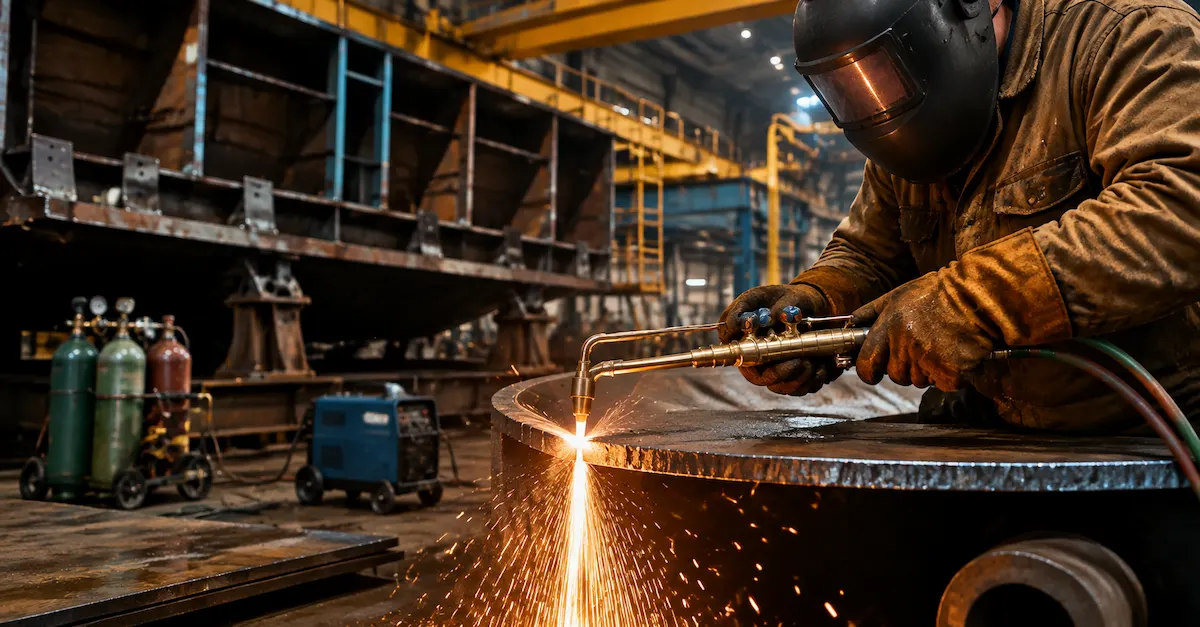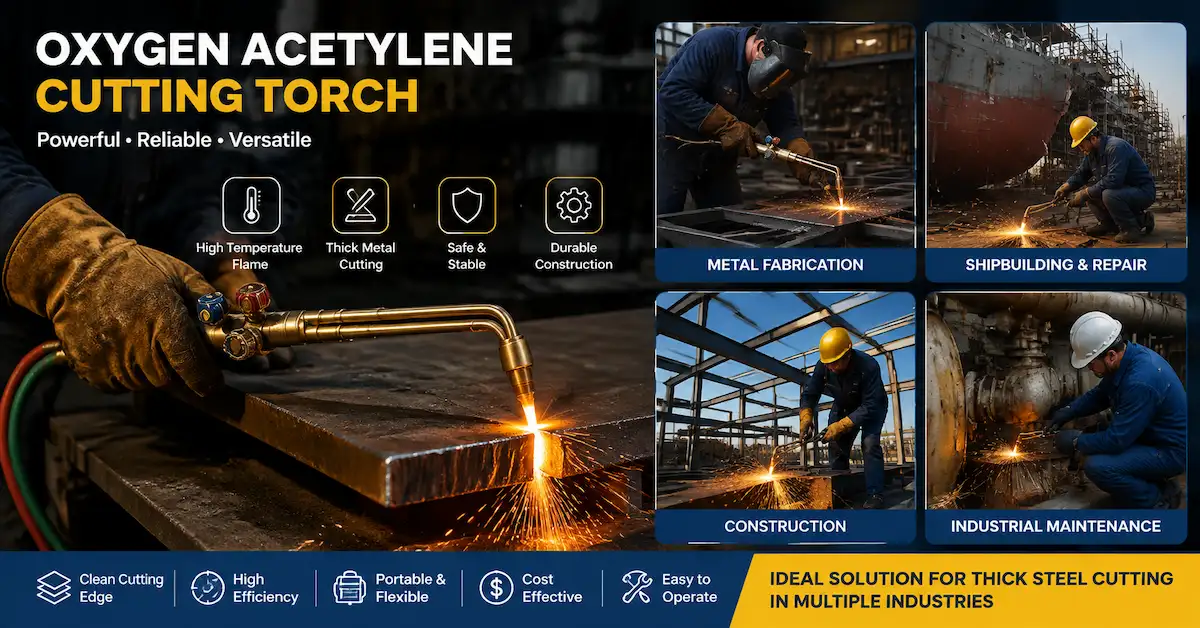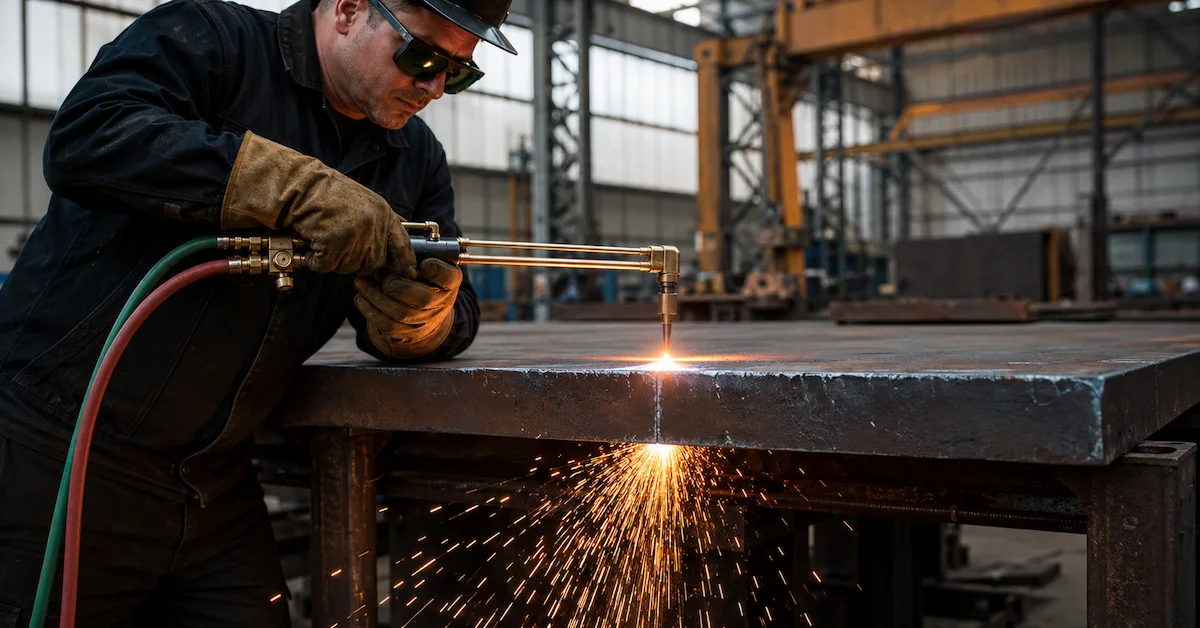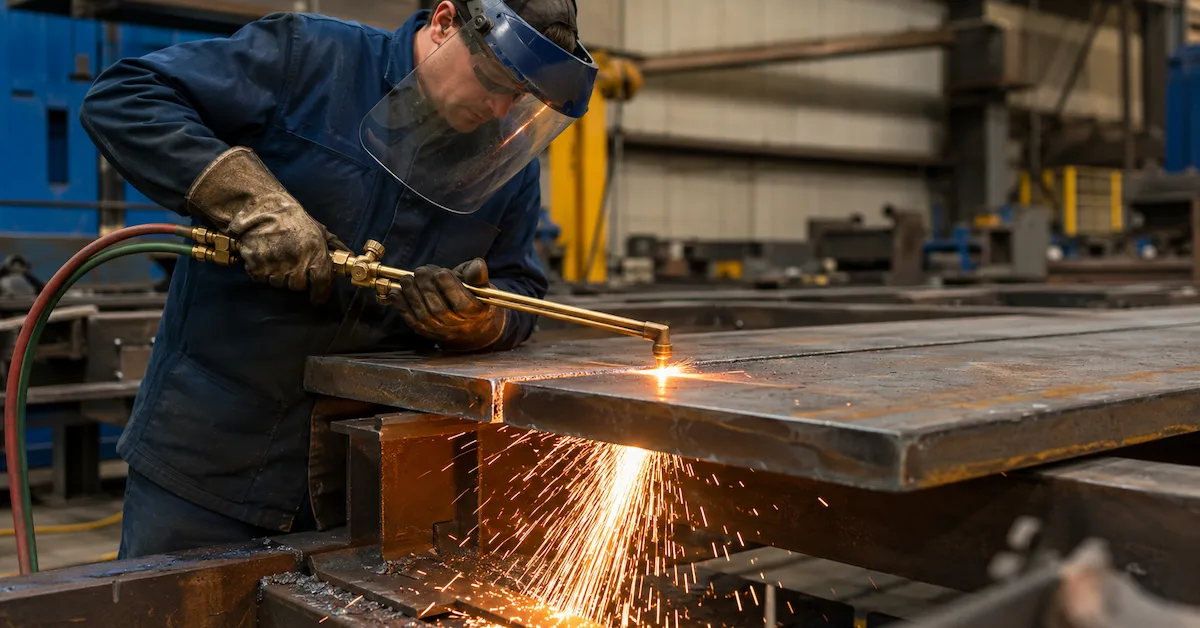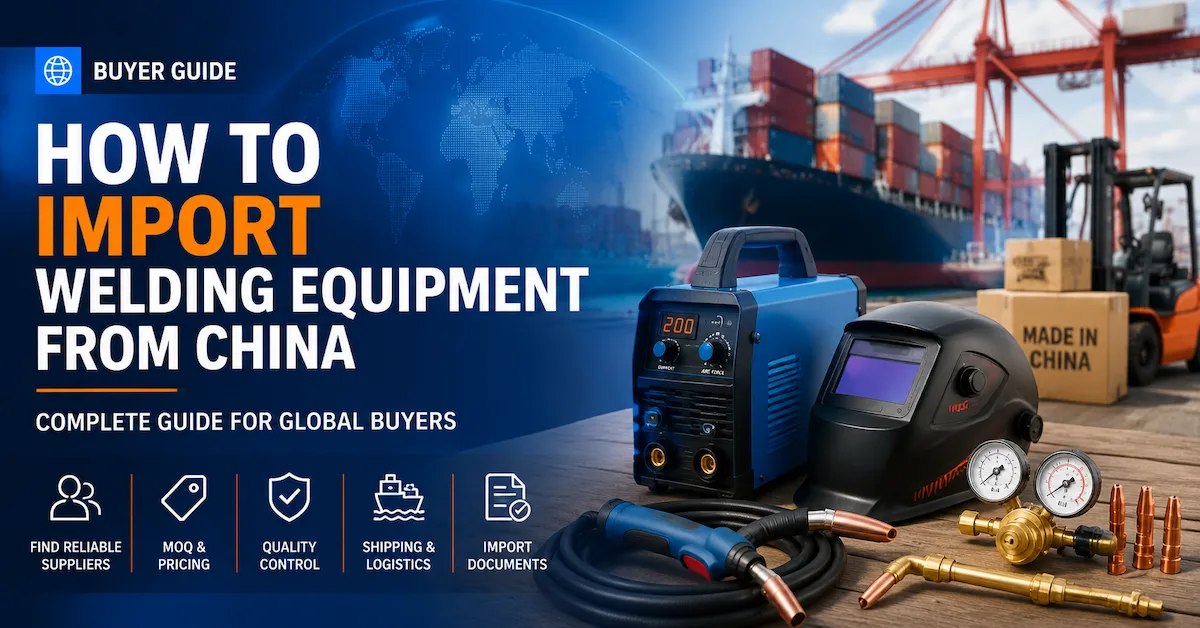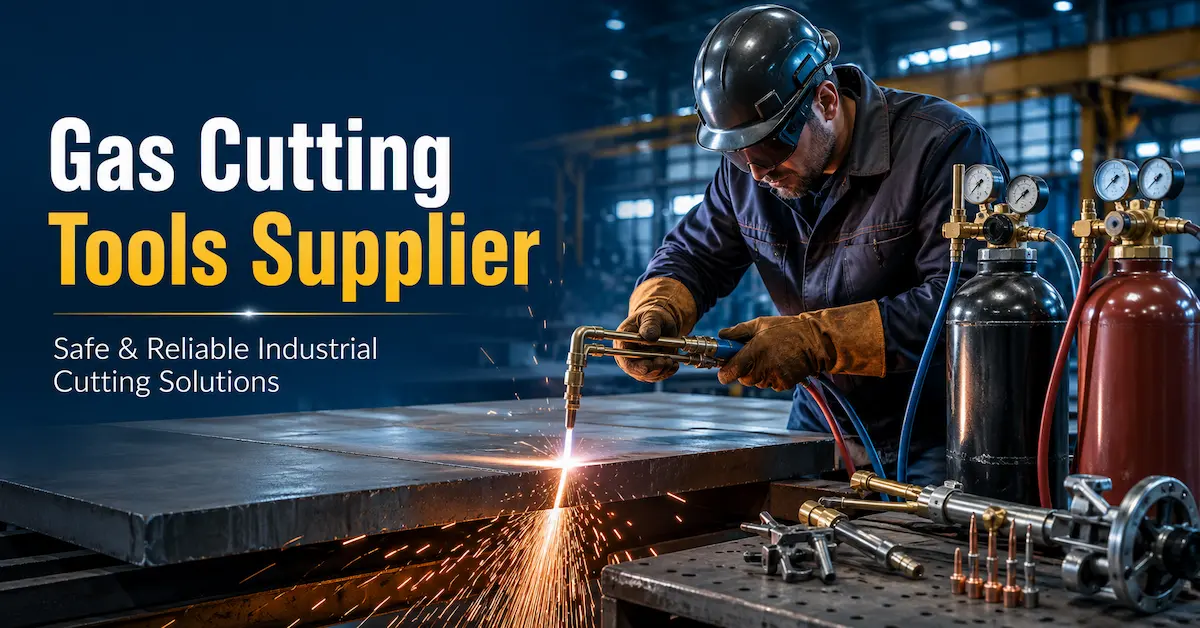


An industrial welding tools supplier provides professional-grade welding and cutting equipment designed for continuous operation in demanding environments such as metal fabrication plants, construction sites, shipbuilding yards, HVAC installations, and heavy machinery manufacturing.
Unlike retail welding tools, industrial suppliers like UWELD focus on:
- High-duty cycle welding systems
- Safety-certified gas cutting tools
- OEM/ODM manufacturing capability
- Stable mass production for global buyers
The core value is not just supplying tools—but delivering repeatable industrial performance under harsh working conditions.
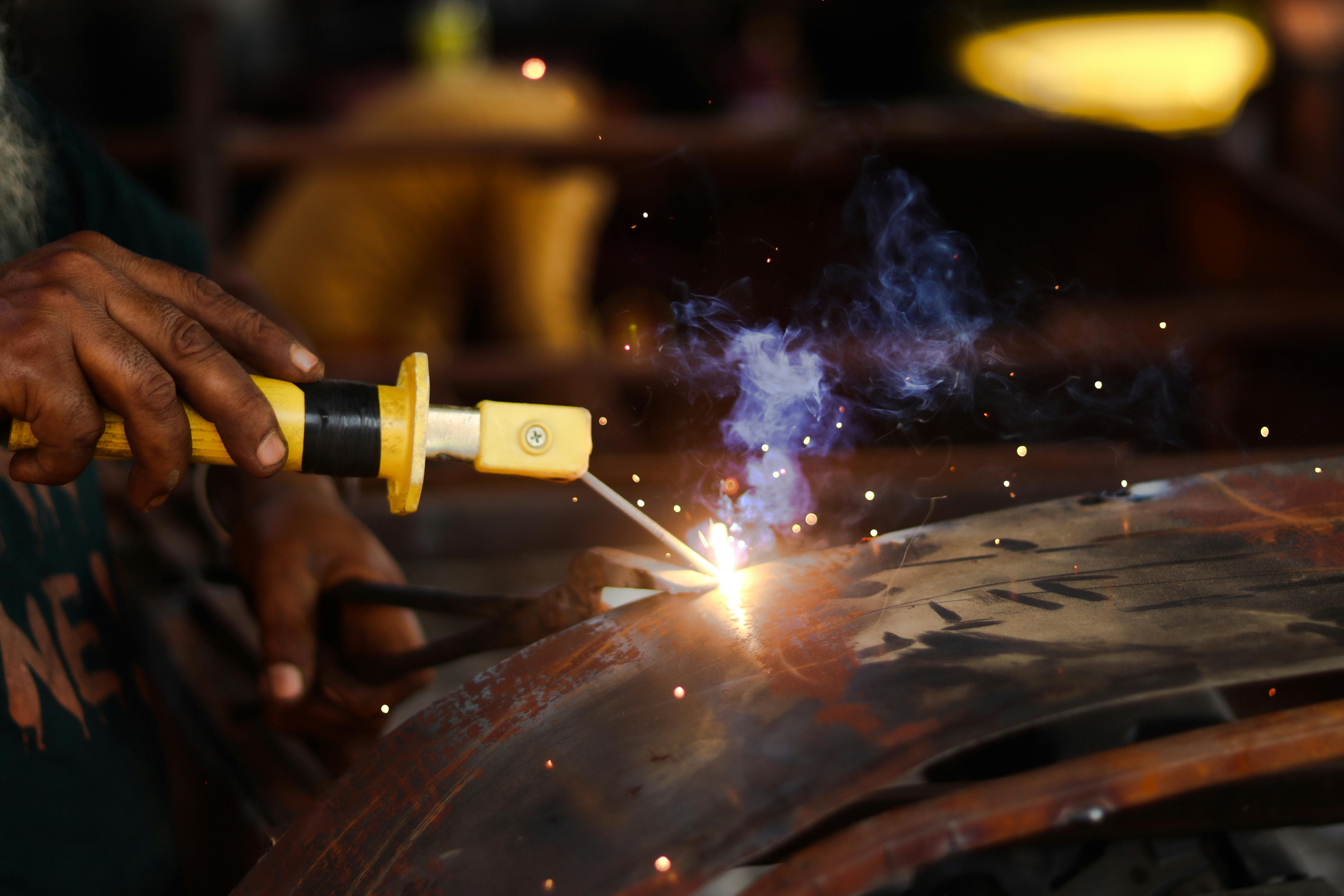
Buyer Types & Non-Suitable Users
Primary Buyers
- Industrial manufacturing companies
- Metal fabrication workshops
- EPC engineering contractors
- HVAC installation companies
- Automotive repair chains
- Equipment distributors & wholesalers
Not Suitable For
- DIY hobby users
- Occasional household repair users
- Low-budget non-industrial buyers
Industrial welding tools are widely used by manufacturers, EPC contractors, and HVAC installers.
For engineering-level solutions and system integration, visit:
https://www.uweld.com/solutions
Application Scenarios (Where Industrial Welding Tools Are Used)
Industrial welding tools are essential in:
Heavy Industry
- Steel structure fabrication
- Shipbuilding and offshore platforms
- Machinery assembly lines
Construction Industry
- On-site structural welding
- Pipeline installation
- Infrastructure reinforcement
HVAC & Pipe Systems
- Copper tube brazing
- Refrigeration pipeline welding
- Maintenance and repair systems
Automotive & Transportation
- Vehicle chassis welding
- Exhaust system fabrication
- Rail and transport maintenance
These environments require tools with high heat stability, long duty cycles, and precision control.
For industry-specific welding solutions, check:
https://www.uweld.com/solutions
Technical Specifications That Define Industrial Welding Quality
High-quality industrial welding tools typically include:
| Item | Specification |
|---|---|
| Output Current | 160A – 350A |
| Duty Cycle | 60% – 100% industrial grade |
| Voltage | 220V / 380V |
| Welding Type | MIG / TIG / MMA / Gas cutting |
| Cooling System | Air-cooled or water-cooled |
| Safety Standard | ISO 9001 / CE / CSA |
Key performance factors:
- Arc stability under long operation
- Heat resistance during continuous welding
- Gas flow precision in cutting tools
- Electrical safety compliance
You can view detailed equipment types here:
https://www.uweld.com/products
Materials & Engineering Structure
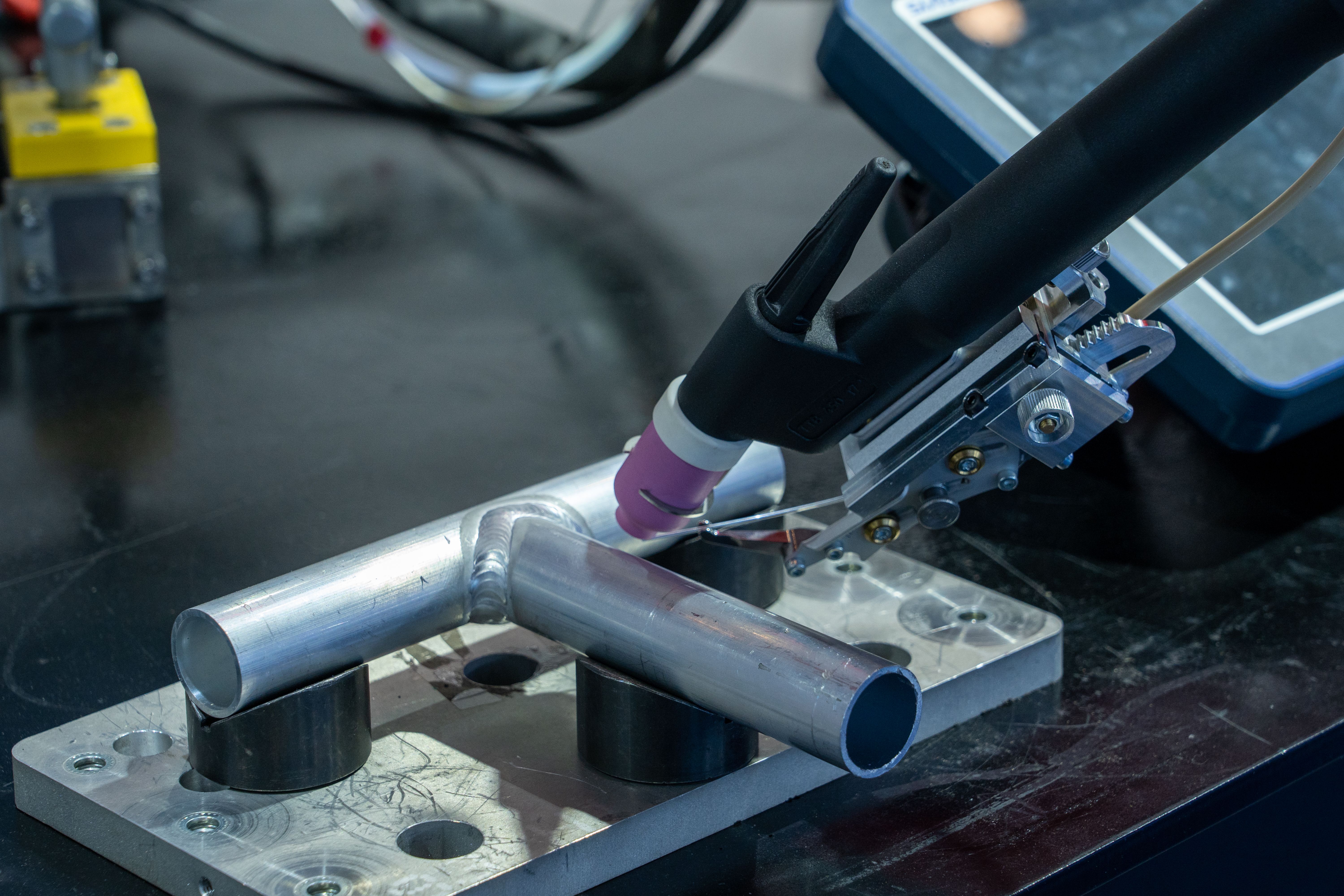
Industrial welding tools are built using:
- High-grade copper conductors (stable current flow)
- Reinforced steel housing (impact resistance)
- Heat-resistant insulation materials
- Precision-machined brass gas regulators
- Industrial-grade valves and seals
Suppliers like UWELD use multi-stage engineering control systems to ensure:
- Zero leakage gas systems
- Stable arc ignition
- Long-term durability under vibration and heat
Learn more about factory capability and certifications:
https://www.uweld.com/about-us
Manufacturing & Workmanship Standards
A professional industrial welding tools supplier is defined by manufacturing capability:
- 20,000㎡+ factory production base
- Automated assembly lines
- 20+ quality control inspection stages
- Component traceability system
At UWELD, each product undergoes:
- Pressure testing (gas systems)
- Electrical safety testing
- Thermal endurance testing
- Leakage and durability verification
This ensures industrial-level reliability across global markets.
Quality Control & Certifications
Industrial buyers typically require strict compliance:
- ISO 9001 Quality Management System
- CE Certification for EU markets
- CSA compliance for North America
- EN standards for gas and welding safety
These certifications ensure:
- Product consistency
- Operator safety
- International export approval
Production Capacity & Lead Time
For global industrial procurement, supplier capability matters as much as product quality:
- Monthly production: scalable batch manufacturing
- Lead time: typically 3–6 weeks depending on customization
- OEM/ODM support: branding, structure modification, packaging
Reliable suppliers like UWELD maintain continuous production capacity for large-scale industrial orders, supporting distributors and EPC contractors.
Model Comparison (Example Industrial Welding Tools)
| Model | Features | Pros | Best For | Cost Level |
|---|---|---|---|---|
| UW-MIG200 | 200A MIG welding system | Stable, compact | Medium fabrication shops | Medium |
| UW-MIG350 | 350A industrial output | High power, continuous use | Heavy industry | High |
Model selection depends on:
- Workload intensity
- Material thickness
- Operation duration
- Energy stability requirements
Cost vs Risk Analysis in Industrial Procurement
Choosing a low-quality supplier leads to:
- Equipment overheating
- Welding instability
- Production downtime
- Safety hazards
A professional industrial welding tools supplier reduces risk by:
- Ensuring stable arc performance
- Providing certified safety systems
- Supporting long-term spare parts supply
- Reducing maintenance downtime
In industrial operations, equipment failure cost is far higher than purchase cost.
OEM/ODM Capability (Critical for B2B Buyers)
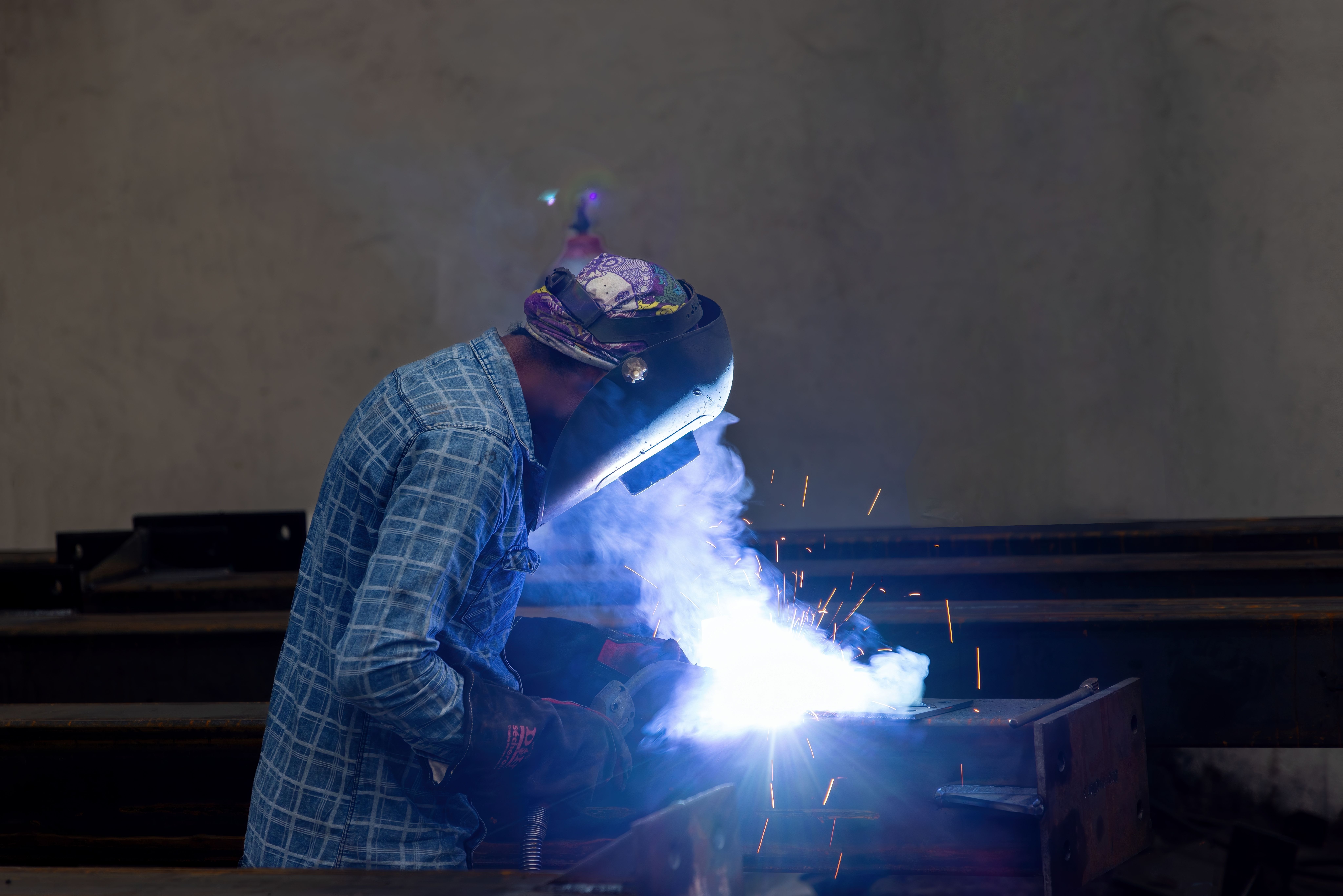
Leading suppliers like UWELD provide:
- Private label manufacturing
- Structural customization
- Voltage and plug adaptation
- Packaging and branding services
OEM capability is critical for:
- Distributors
- Regional agents
- Industrial brands entering new markets
For customized welding solutions:
https://www.uweld.com/solutions
FAQ
1. What is an industrial welding tools supplier?
A manufacturer or supplier providing certified welding equipment for industrial applications.
2. What industries use welding tools the most?
Metal fabrication, construction, HVAC, automotive, and shipbuilding.
3. What is the difference between MIG and TIG welding?
MIG is faster for production; TIG provides higher precision.
4. How to choose a reliable supplier?
Check certifications, production capacity, and OEM capability.
5. Are industrial welding tools safe?
Yes, if certified under ISO/CE standards and used properly.
6. Can I order OEM welding tools?
Yes, manufacturers like UWELD support OEM customization.
For more technical details and industrial solutions:
https://www.uweld.com/blog
Summarize
If you are sourcing a reliable industrial welding tools supplier, working with a certified manufacturer ensures long-term stability, safety, and cost efficiency.
Request quotation or technical support:
https://www.uweld.com/solutions
Explore full product catalog:
https://www.uweld.com/products