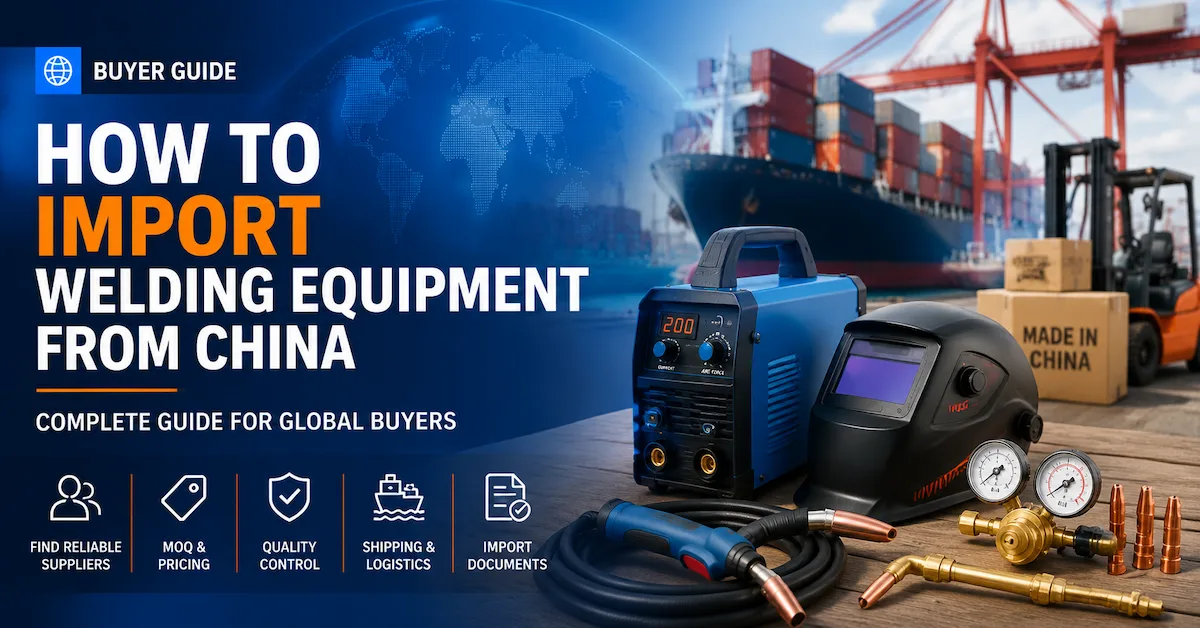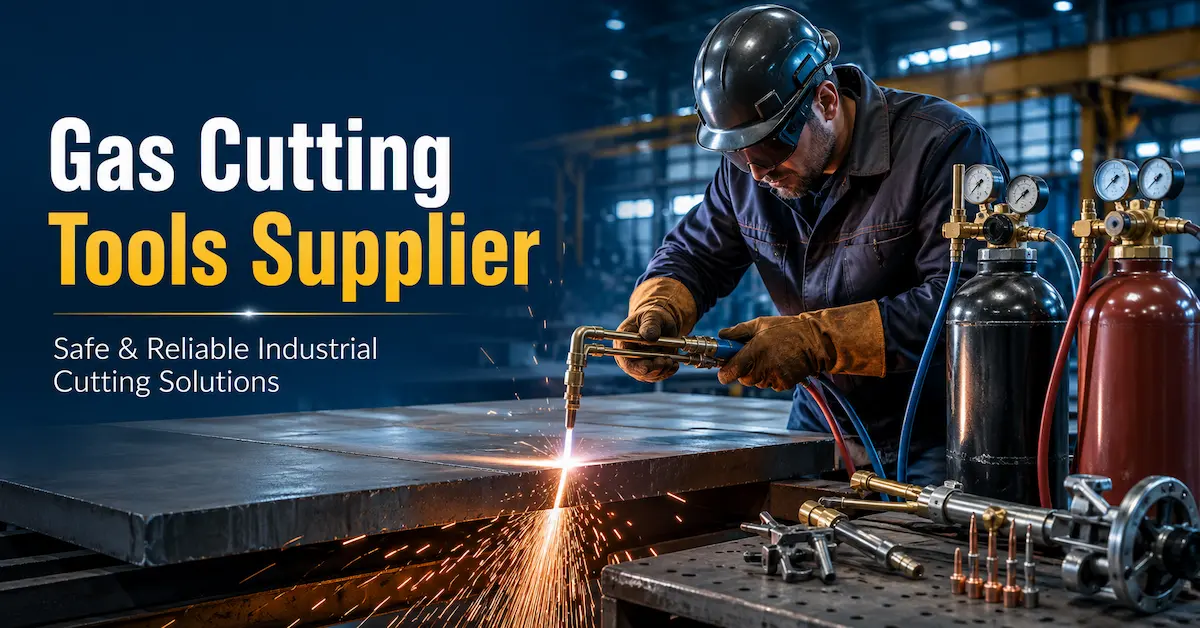


For distributors, importers, hardware wholesalers, industrial suppliers, and private-label brands, selecting a reliable welding tools exporter is an important supply-chain decision. The products may appear smaller and simpler than complete welding machines, but their quality directly affects flame stability, gas control, operator comfort, tool life, replacement frequency, and end-user safety.
Professional welding tools are used in fabrication workshops, HVAC/R installation, automotive repair, construction, steel processing, plumbing, machinery maintenance, and field service. These markets require more than attractive pricing. Buyers need consistent products, practical packaging, compatible accessories, technical information, and reliable repeat supply.
UWELD provides professional welding and cutting solutions for global buyers, with product categories covering welding tools, gas cutting products, gas heating tools, HVAC/R solutions, safety equipment, regulators, torches, hoses, and related accessories. Buyers can review available categories through the UWELD product center or discuss export and OEM cooperation through UWELD solutions.

What Does a Welding Tools Exporter Supply?
A welding tools exporter supplies handheld welding, cutting, heating, gas-control, safety, and replacement products to overseas distributors and industrial buyers.
Unlike a supplier focused mainly on welding machines, a welding tools exporter may provide a broader assortment of frequently replaced or application-specific tools.
Typical export products include:
- MIG and TIG welding torches
- Gas cutting torches
- Heating and brazing torches
- Cutting tips and welding nozzles
- Gas regulators and pressure gauges
- Welding hoses and fittings
- Electrode holders and ground clamps
- Contact tips and torch consumables
- Welding helmets and gloves
- HVAC/R brazing kits
- Welding and cutting tool sets
- Replacement parts and accessories
A capable exporter should help buyers match these products correctly. A torch, regulator, hose, connector, and tip must work as a practical system rather than as unrelated catalog items.
Who Works with a Welding Tools Exporter?
Different buyers need different product combinations and export services.
| Buyer Type | Primary Need | Exporter Support Required |
|---|---|---|
| Welding tool distributors | Build a complete resale catalog | Product assortment and repeat supply |
| Hardware importers | Import retail-ready products | Packaging, labels, manuals, barcodes |
| Industrial wholesalers | Supply professional workshops | Durable tools and stable bulk quality |
| HVAC/R suppliers | Serve installation technicians | Portable brazing and heating kits |
| Automotive tool suppliers | Serve repair and restoration shops | Welding, heating, and cutting tools |
| OEM/private-label brands | Develop branded products | Logo, packaging, kits, quality control |
| Construction suppliers | Support mobile job-site work | Rugged tools and protective packaging |
| E-commerce sellers | Sell clearly positioned products | Retail packaging and product information |
Before requesting a quotation, buyers should define their primary customer group. An HVAC/R distributor may need compact brazing products, while a fabrication supplier may need cutting torches, regulators, hoses, tips, and safety accessories.
Core Product Categories for Export Buyers
Welding Torches and Consumables
Welding torches are central to many distributor catalogs. Products may include TIG torches, MIG torch components, torch handles, cables, connectors, nozzles, contact tips, and replacement parts.
Buyers should evaluate:
- Handle comfort and balance
- Cable flexibility
- Insulation quality
- Heat resistance
- Connector compatibility
- Consumable availability
- Assembly consistency
- Replacement-part continuity
A professional welding tools exporter should clearly identify compatible components. Poorly matched tips, connectors, or consumables can create customer complaints even when the main torch is acceptable.
Gas Cutting Torches and Kits
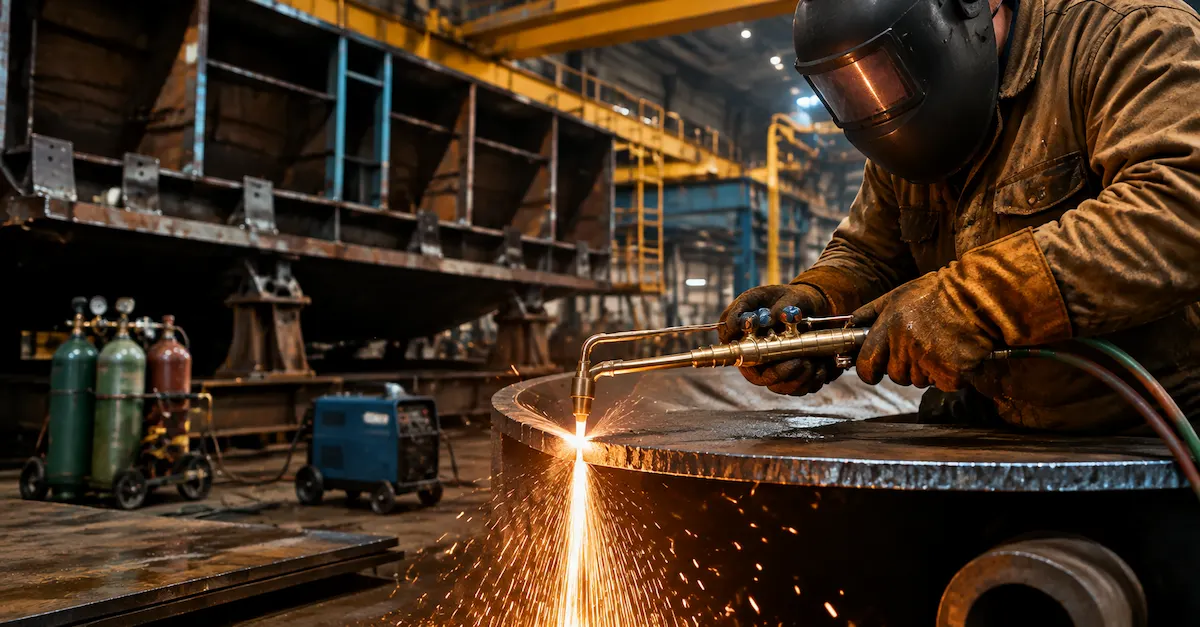
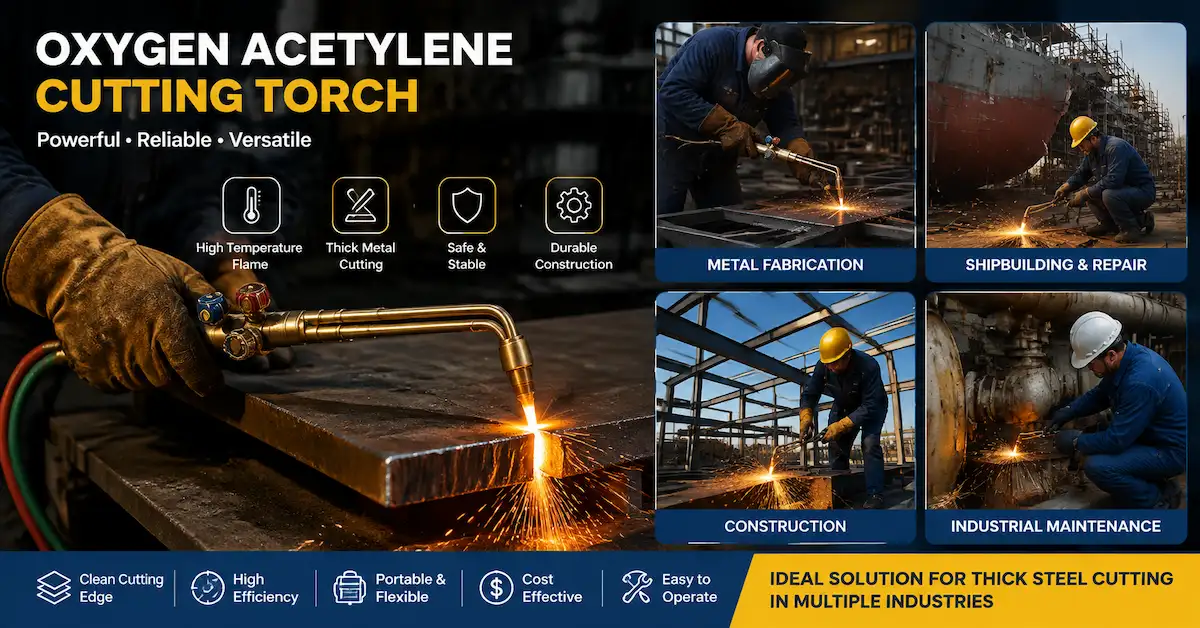
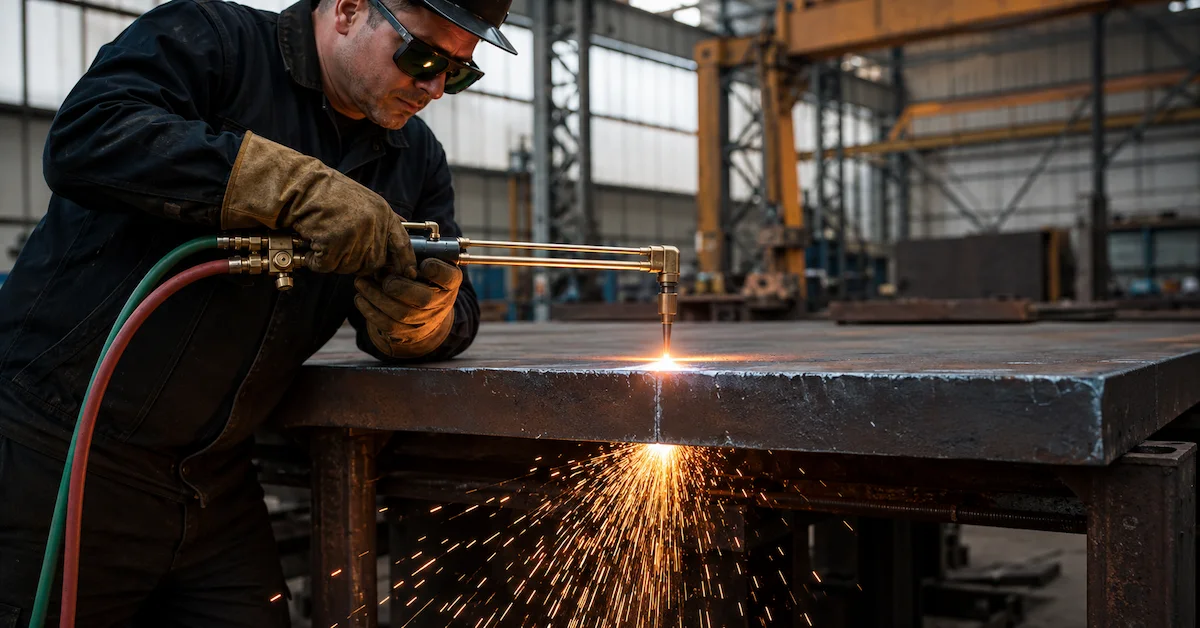
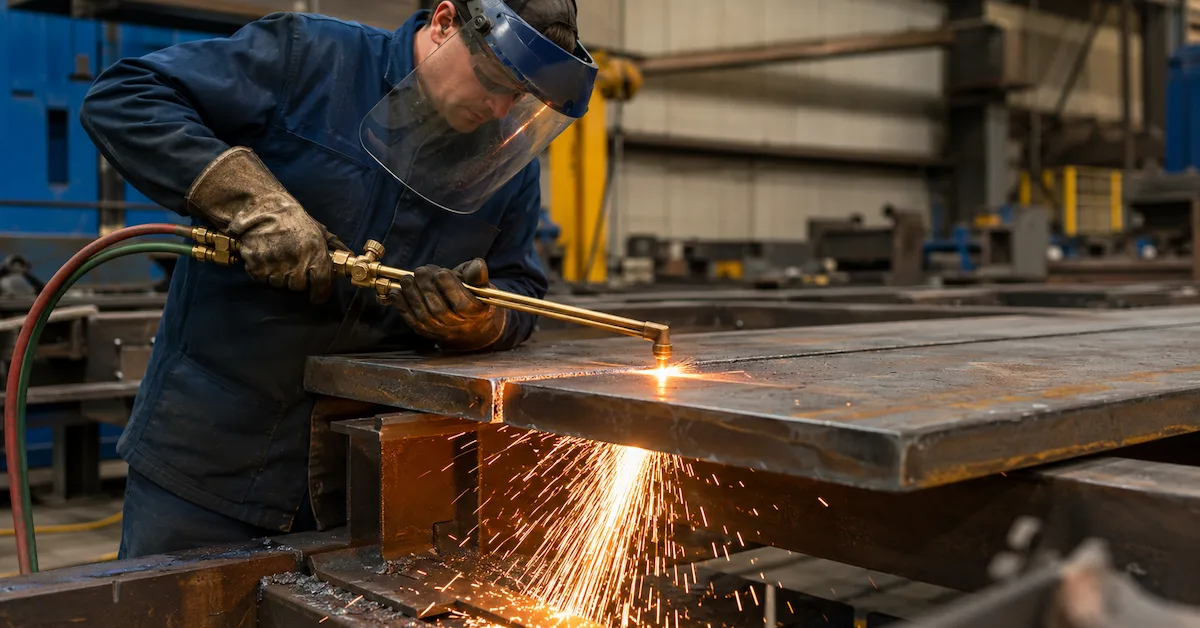
Gas cutting tools are used in structural steel work, fabrication, repair, construction, demolition, and industrial maintenance.
A complete cutting range may include:
- Cutting torches
- Cutting attachments
- Cutting tips
- Regulators
- Twin welding hoses
- Flashback arrestors
- Check valves
- Fittings
- Complete cutting kits
Buyers should review flame adjustment, valve operation, metal construction, connection standards, grip comfort, and accessory compatibility.
For distributor markets, a complete kit can be easier to position and sell than separate components. However, every item in the kit should be checked for correct matching.
Gas Regulators and Pressure-Control Products
Regulators influence gas pressure, flow consistency, and user control. These products require careful evaluation because connection types and pressure requirements may vary between markets.
Important evaluation points include:
- Inlet and outlet connection
- Gas type
- Pressure range
- Gauge readability
- Valve operation
- Body material
- Adjustment stability
- Packaging protection
- Product instructions
A reliable exporter should ask about the destination market and application before recommending a regulator configuration.
Heating and Brazing Tools
Heating and brazing torches are commonly used in HVAC/R installation, refrigeration repair, plumbing, roofing, maintenance, and metalworking.
Buyers serving field technicians often value:
- Compact size
- Easy ignition
- Adjustable flame
- All-position use
- Portable cylinders or kits
- Durable torch heads
- Simple accessory replacement
- Strong carrying cases
For HVAC/R markets, portability and ease of operation may be more commercially important than having the largest possible torch.
Welding Hoses and Connections
Welding hoses connect gas sources, regulators, and torches. Buyers should check hose construction, flexibility, markings, connector quality, length options, and packaging.
A suitable exporter should be able to provide hose assemblies that match the selected regulator and torch products. This reduces compatibility problems and simplifies purchasing for distributors.
Safety Tools and Accessories
Welding helmets, gloves, protective accessories, electrode holders, clamps, cleaning brushes, and replacement parts allow buyers to create a more complete catalog.
These products are useful for:
- Increasing average order value
- Creating starter kits
- Supporting workshop customers
- Improving repeat purchasing
- Offering one-stop welding solutions
Buyers can explore different welding and cutting categories through the UWELD products page.
How to Evaluate a Welding Tools Exporter
Product Specialization
A long product list does not always mean strong product knowledge. Buyers should check whether the exporter understands the tools, applications, connections, consumables, and accessory combinations being offered.
Ask the exporter to explain:
- Which torch suits the intended application
- Which tips match the torch
- Which regulator matches the gas and market
- Which hose and fittings are required
- Which replacement parts should be stocked
- Which products are appropriate for professional users
Clear answers demonstrate stronger application knowledge than a catalog-only response.
Batch Quality Consistency
An approved sample is only the beginning. The real challenge is maintaining the same quality across bulk and repeat orders.
Quality checks may cover:
- Brass or metal component quality
- Valve operation
- Thread and fitting accuracy
- Torch assembly
- Hose connection
- Regulator function
- Gauge installation
- Tip and nozzle dimensions
- Surface finishing
- Packaging completeness
Buyers should request a clear inspection plan before bulk production.
Export Experience
An experienced welding tools exporter should understand international order requirements, including:
- Product and carton labels
- Shipping marks
- Instruction manuals
- Barcode placement
- Export cartons
- Pallet preparation
- Packing lists
- Product specifications
- Inspection before shipment
Export experience reduces communication problems and helps prevent avoidable delays.
Documentation and Compliance Support
Documentation requirements depend on the product and destination market. Buyers may request specifications, instructions, test information, packaging details, or available certification documents.
The exporter should be transparent about which documents are available and which requirements need to be confirmed before production.
Buyers can review UWELD’s company and manufacturing background on the About UWELD page.
Packaging Capability
Welding tools often contain heavy metal parts, gauges, connectors, or precision components. Weak packaging may lead to scratched surfaces, broken gauges, damaged threads, or missing accessories.
Export packaging may include:
- Individual protective bags
- Molded inner trays
- Foam protection
- Inner cartons
- Retail color boxes
- Plastic tool cases
- Reinforced export cartons
- Dividers for gauges and regulators
- Palletized shipment
Packaging should be tested against the expected transport and distribution conditions.
Replacement-Part Supply
A welding tool without available replacement parts can become difficult for distributors to support. Buyers should confirm whether the exporter can continuously provide tips, nozzles, seals, handles, connectors, hoses, gauges, and other relevant parts.
Replacement-part availability can increase customer confidence and create repeat sales.
Welding Tools Export Sourcing Checklist
| Evaluation Area | Questions to Ask | Commercial Benefit |
| Product range | Are torches, regulators, hoses, tips, and accessories available? | Reduces sourcing complexity |
| Compatibility | Are product combinations technically matched? | Reduces returns and complaints |
| Sample testing | Can products and packaging be tested before bulk orders? | Limits purchasing risk |
| Quality control | What is checked during production and before shipment? | Improves batch consistency |
| Documentation | Are specifications, manuals, and labels available? | Supports import and resale |
| Export packaging | How are gauges, threads, and metal surfaces protected? | Reduces transport damage |
| OEM capability | Can branding, packaging, and kits be customized? | Supports product differentiation |
| Spare parts | Are consumables and replacement parts available? | Improves after-sales support |
| Lead time | What are the sample and production schedules? | Supports inventory planning |
| Repeat supply | Can the same specifications be maintained? | Protects long-term product continuity |
OEM and Private-Label Export Options
Many distributors want products that are easier to distinguish from generic market offerings. A welding tools exporter with OEM/ODM capability can help develop a coordinated private-label range.
Common customization options include:
- Logo printing
- Product labels
- Branded color boxes
- Neutral packaging
- Custom tool cases
- Barcode labels
- Instruction manuals
- Warning labels
- Carton marks
- Custom accessory combinations
- Distributor-specific product kits
For example, a buyer may create a branded gas cutting kit containing a torch, regulator, hose, cutting tips, goggles, and accessories. Another buyer may develop a compact HVAC/R brazing kit for service technicians.
The exporter should help confirm that each kit is technically practical and commercially suitable.
UWELD supports solution-based cooperation for buyers developing private-label or distributor-ready products. Project requirements can be discussed through UWELD solutions.
Application Markets for Exported Welding Tools
Metal Fabrication Workshops
Fabrication companies use welding torches, cutting torches, regulators, tips, clamps, hoses, and safety products in daily metal processing. These customers usually prioritize durability, compatibility, and spare-part availability.
HVAC/R Installation and Repair
HVAC/R technicians need portable brazing torches, regulators, hoses, fittings, and compact kits for copper pipe installation and refrigeration repair. Ease of transport and controlled heating are key purchasing factors.
Automotive Repair
Automotive workshops use welding and heating tools for body panels, exhaust systems, brackets, seized components, and restoration work. Tool control and workshop practicality matter more than oversized industrial configurations.
Construction and Steel Work
Construction users require robust cutting and heating products that can be transported between job sites. Export packaging and durable tool cases are especially valuable for this market.
Industrial Maintenance
Maintenance teams need versatile tools for repair, equipment servicing, and emergency work. Exporters can support this market with practical kits and readily available replacement parts.
Common Export Purchasing Risks
Global buyers should watch for several common risks:
- Samples that do not match bulk production
- Incorrect regulator or fitting standards
- Mixed or incompatible accessories
- Weak protection for gauges
- Missing components inside kits
- Inconsistent product markings
- Poor carton strength
- No supply plan for consumables
- Unclear production lead times
- Limited communication after shipment
These risks can be reduced through detailed specifications, approved samples, packaging confirmation, pre-shipment inspection, and clear replacement-part planning.
Questions to Ask Before Requesting a Quotation
Provide the exporter with enough information to recommend suitable products:
- Which country or market will receive the products?
- Who are the final users?
- Which welding or cutting applications are involved?
- Which gas types and connection standards are required?
- Are individual tools or complete kits needed?
- Is private-label packaging required?
- What is the expected order quantity?
- Are samples required before bulk production?
- Which documents or labels are needed?
- Are replacement parts required with the initial order?
Detailed information usually results in a more accurate quotation and reduces later changes.
Why Consider UWELD as a Welding Tools Exporter?
UWELD supports global buyers looking for professional welding and cutting tools across multiple application markets.
Its product and cooperation direction can support:
- Welding torches and accessories
- Gas cutting products
- Gas heating and brazing tools
- HVAC/R tool solutions
- Regulators and gas-control products
- Welding hoses and fittings
- Safety tools and accessories
- OEM/ODM packaging
- Distributor product assortment
- Long-term export supply
Buyers can review product options through the UWELD product center, explore additional sourcing information on the UWELD blog, or submit project requirements through UWELD solutions.
FAQ: Welding Tools Exporter
1. What products does a welding tools exporter supply?
A welding tools exporter may supply welding torches, cutting torches, regulators, hoses, heating tools, brazing tools, welding helmets, gloves, tips, nozzles, clamps, fittings, and replacement parts.
2. Who purchases welding tools from exporters?
Common buyers include distributors, importers, hardware wholesalers, HVAC/R suppliers, automotive tool suppliers, industrial suppliers, construction companies, and private-label brands.
3. Can welding tools be exported under my own brand?
Yes. OEM options may include logo printing, private-label packaging, product labels, manuals, barcodes, custom cartons, and complete branded tool kits.
4. Why is product compatibility important?
Torches, regulators, hoses, connectors, tips, and accessories must work together. Incorrect combinations can lead to poor performance, returns, and safety concerns.
5. Should buyers test samples before bulk orders?
Yes. Samples allow buyers to verify function, materials, connections, packaging, accessory completeness, and market suitability.
6. What export packaging is suitable for welding tools?
Suitable packaging may include inner trays, foam protection, retail boxes, tool cases, reinforced cartons, gauge protection, and pallets for larger shipments.
7. Are replacement parts important?
Yes. Replacement tips, nozzles, hoses, connectors, gauges, and other components improve after-sales service and create repeat purchasing opportunities.
8. What information is needed for an export quotation?
Buyers should provide the destination market, product type, application, connection requirements, packaging needs, order quantity, branding requirements, and requested documentation.
9. How is a welding tools exporter different from a welding equipment exporter?
A welding tools exporter usually focuses more on torches, regulators, hoses, cutting tools, accessories, kits, and consumables. A welding equipment exporter may also cover complete welding machines and larger equipment systems.
10. How can buyers contact UWELD?
Buyers can submit welding tool, export packaging, OEM, and wholesale requirements through the UWELD solutions page.
Conclusion
Choosing the right welding tools exporter requires careful evaluation of product specialization, compatibility, quality consistency, export packaging, documentation, spare-part supply, and delivery reliability.
For distributors and importers, the most valuable exporter is not simply the one offering the lowest price. It is the supplier that can provide a technically matched product assortment, consistent repeat orders, and practical support for the target market.
To review welding, cutting, heating, HVAC/R, and safety products, visit the UWELD product center. To discuss export sourcing, OEM packaging, or distributor cooperation, contact UWELD through UWELD solutions.