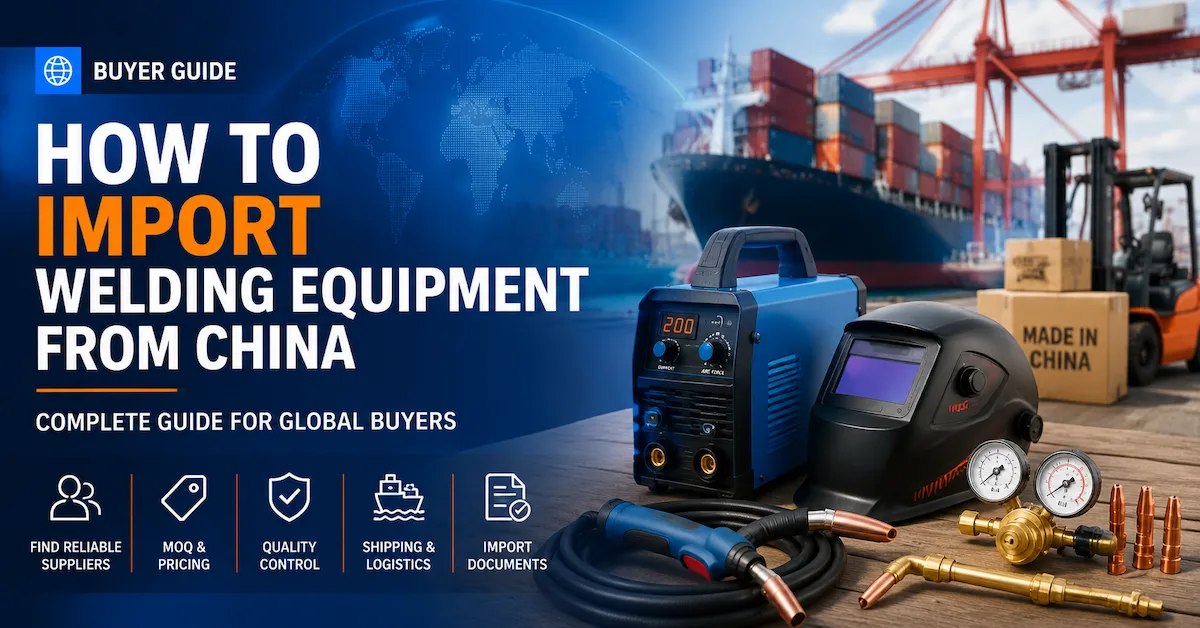


For distributors, importers, industrial suppliers, and tool brands, private label welding tools offer a practical way to build a stronger market position. Instead of only reselling generic welding products, buyers can create branded welding tools, customized packaging, product kits, and market-specific tool combinations that better match their customers.
In professional welding and cutting markets, buyers often face strong price competition. Many distributors sell similar torches, regulators, helmets, cutting tools, and accessories. Private-label development helps solve this problem by giving your business its own product identity, clearer positioning, and better long-term customer recognition.
UWELD provides professional welding and cutting solutions for global buyers, covering welding tools, gas cutting tools, gas heating products, HVAC/R tools, safety equipment, regulators, torches, and related accessories. Buyers can explore product categories through the UWELD product center or discuss private-label cooperation through UWELD solutions.
What Are Private Label Welding Tools?
Private label welding tools are welding and cutting products manufactured by a supplier but sold under the buyer’s own brand name, packaging, or product identity. The buyer does not need to build a factory from the beginning. Instead, they work with a qualified supplier to customize selected products for their target market.
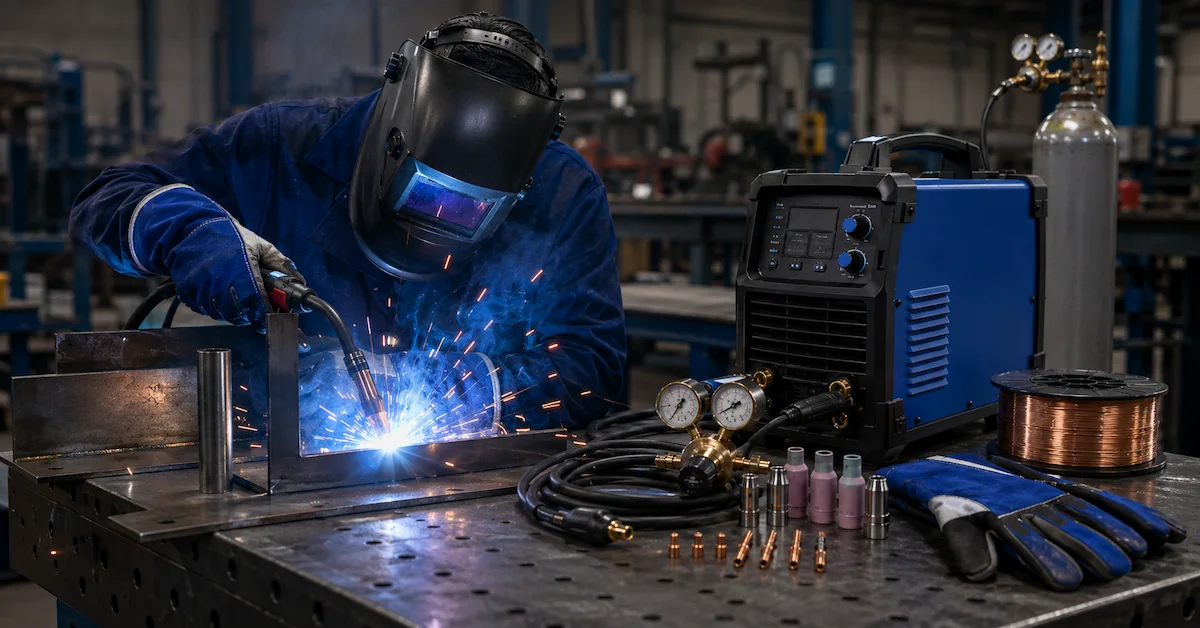
Private-label welding tools may include:
- Welding torches
- TIG torch accessories
- MIG torch parts
- Gas cutting torches
- Cutting tips and nozzles
- Gas regulators
- Heating and brazing tools
- Welding helmets and gloves
- Hoses, clamps, rods, tips, and fittings
- Complete branded welding tool kits
The goal is not simply to put a logo on a product. A successful private-label project should create a product line that fits real users, supports repeat sales, and builds trust in the buyer’s brand.
Who Needs Private Label Welding Tools?
Private label welding tools are suitable for buyers who want more control over product presentation, customer experience, and long-term brand value.
| Buyer Type | Main Goal | Private Label Need |
|---|---|---|
| Welding tool distributors | Build exclusive product lines | Logo, packaging, product matching |
| Hardware importers | Sell market-ready tools | Labels, manuals, cartons, barcode support |
| Industrial suppliers | Serve professional users | Durable tools and stable quality |
| HVAC/R suppliers | Develop field-use kits | Portable brazing and heating tool sets |
| Automotive repair suppliers | Support repair workshops | Practical welding and cutting kits |
| E-commerce sellers | Improve retail conversion | Clear packaging and product identity |
| Private-label brands | Build long-term product series | OEM support and repeat supply |
| Wholesalers | Reduce price competition | Branded product combinations |
For these buyers, private-label cooperation can make the product line more recognizable and less dependent on competing only by low price.
Why Private Label Welding Tools Help Buyers Compete
The welding tools market is practical and performance-driven, but branding still matters. Professional users want reliable tools, while distributors and importers need products that look trustworthy and are easy to sell.
Private label welding tools can help buyers:
- Build a recognizable product identity
- Improve product presentation
- Create exclusive product combinations
- Increase customer loyalty
- Reduce direct price comparison
- Improve wholesale and retail margins
- Support repeat orders
- Build a long-term product catalog
For example, a distributor selling HVAC/R tools can create a branded brazing kit. A fabrication tool supplier can build a private-label cutting and welding accessory line. An e-commerce seller can package welding helmets, gloves, and accessories into clear product sets for easier online selling.
What Welding Tools Can Be Private Labeled?
A good private-label welding tools supplier should provide enough product categories to support different market needs.
1. Welding Torches and Accessories
Welding torches are one of the most important categories for private-label projects. Buyers can customize selected TIG torches, MIG torch accessories, cables, connectors, handles, nozzles, and contact tips.
Important evaluation points include:
- Torch handle comfort
- Cable flexibility
- Connector compatibility
- Consumable availability
- Heat resistance
- Product consistency
- Packaging options
For distributors, welding torches and accessories are strong products because professional users often need replacements and spare parts.
2. Gas Cutting Tools
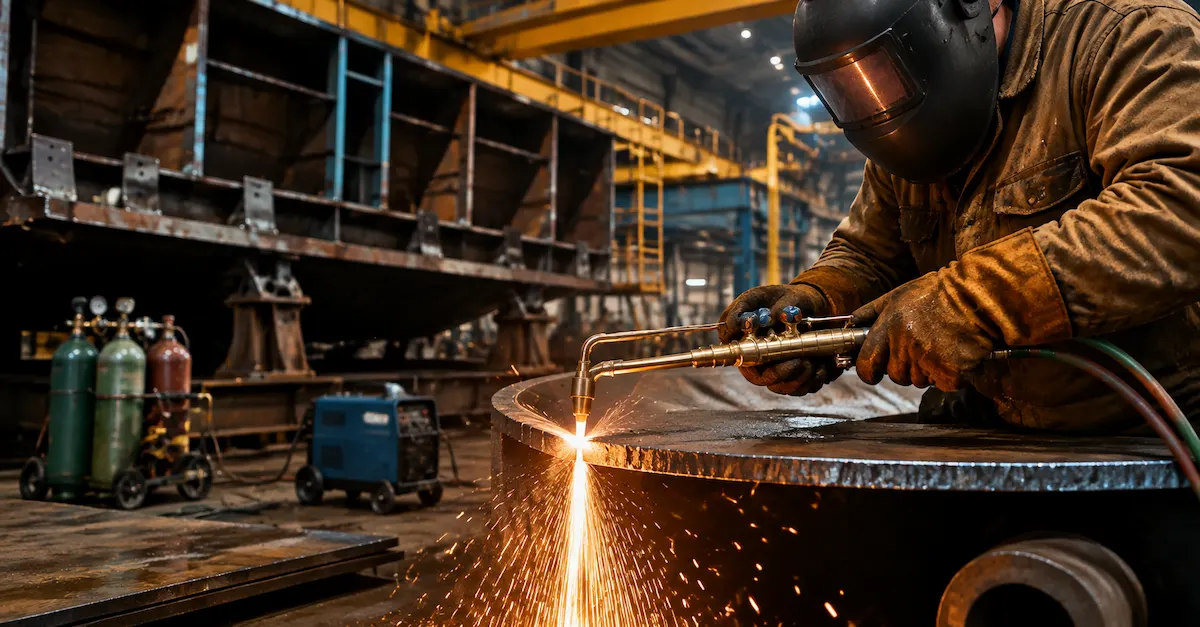
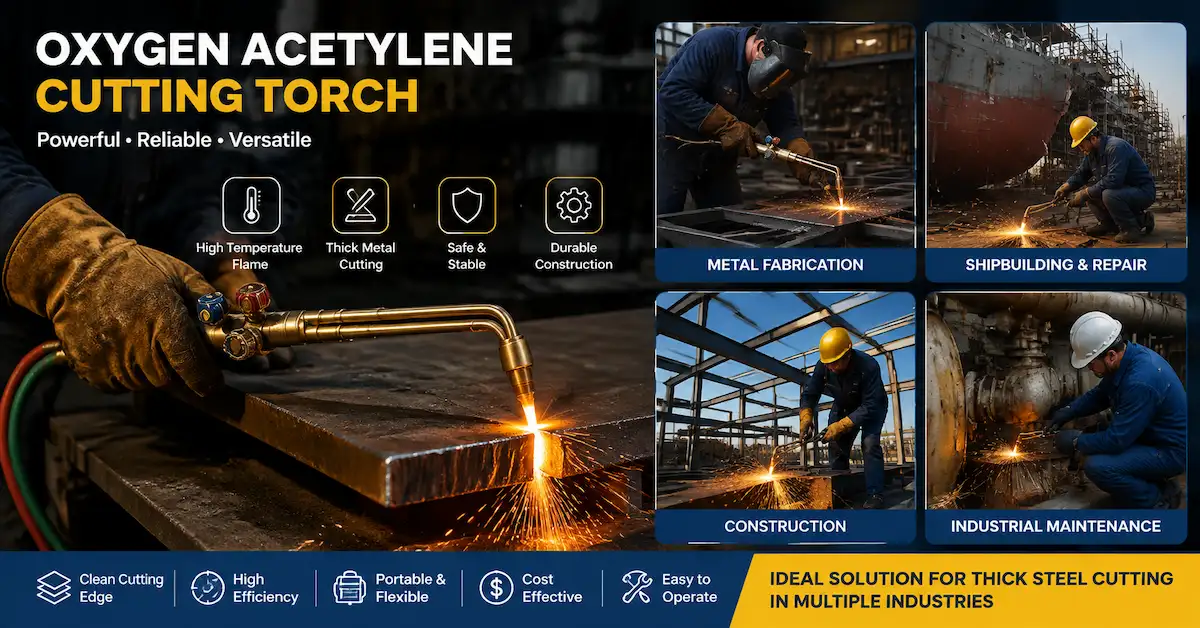
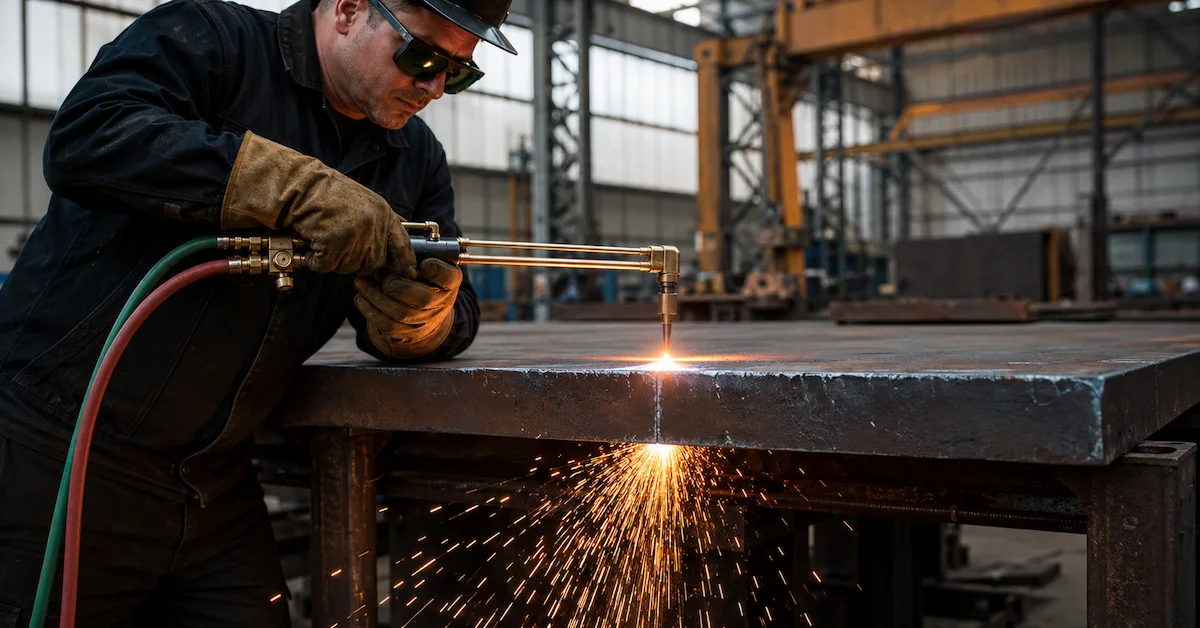
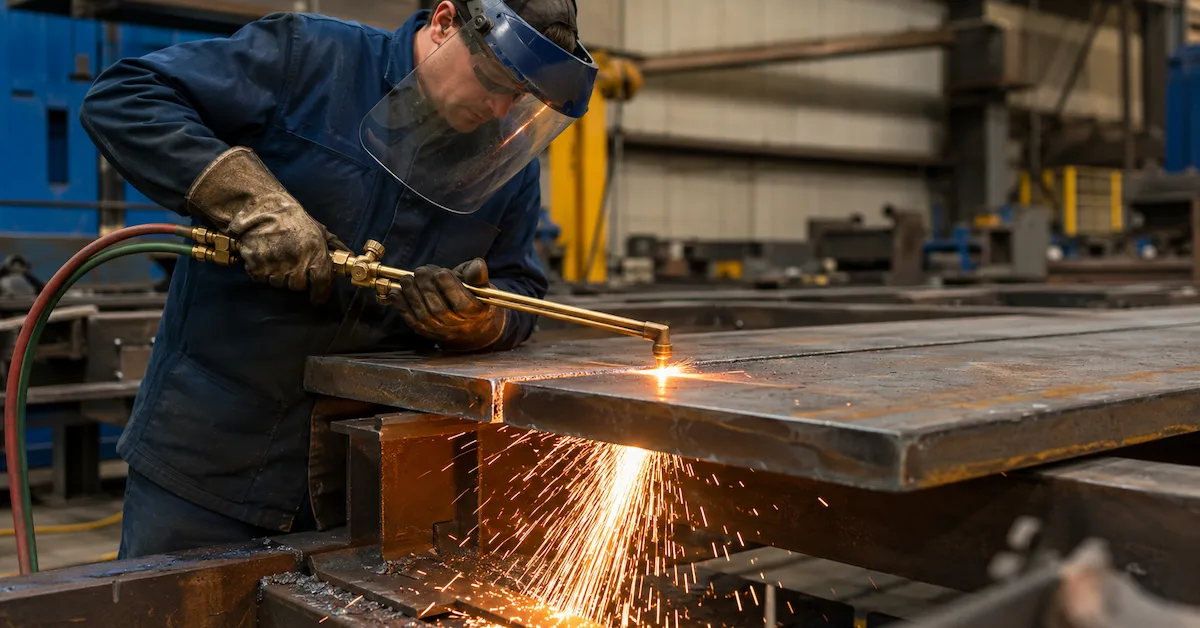
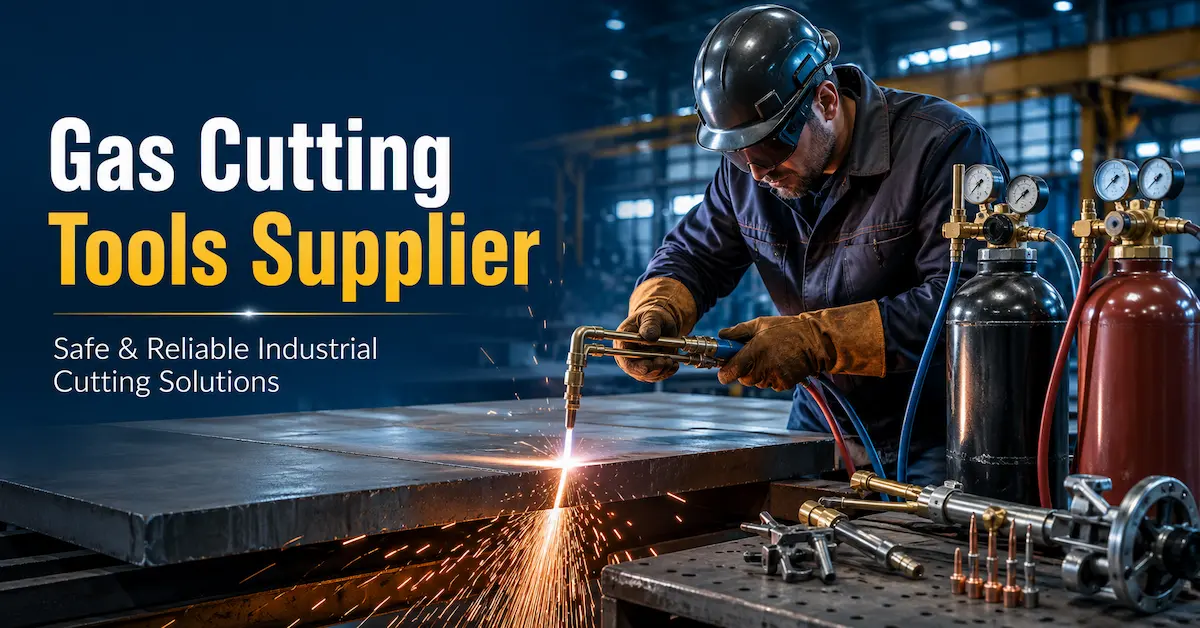
Gas cutting tools are widely used in fabrication, construction, steel structure work, repair, and industrial maintenance. Private-label gas cutting products may include cutting torches, tips, regulators, hose connections, and related accessories.
A private-label cutting tool line should focus on durability, stable flame control, safe operation, and clear product instructions.
3. Heating and Brazing Tools
Heating and brazing tools are especially important for HVAC/R, plumbing, refrigeration repair, and field maintenance. Buyers can develop private-label brazing kits, heating torch sets, or compact technician kits.
For this market, portability and practical kit combinations are often more important than offering too many separate items.
4. Regulators and Gas Control Products
Regulators and gas control products are important but safety-sensitive. Buyers should work with suppliers that understand product function, pressure control, connection standards, and documentation requirements.
Private-label regulator products should be carefully selected and tested before bulk orders.
5. Welding Safety Products
Welding helmets, gloves, and protective gear are useful for private-label development because they help create a complete product line. Safety products can also be bundled with torches, cutting tools, or starter kits.
6. Consumables and Small Accessories
Tips, nozzles, clamps, rods, wire, fittings, and other small accessories are excellent for repeat sales. Private-label packaging can make these products easier to organize, display, and sell.
Private Label Customization Options
Private-label welding tools can be customized in different levels depending on budget, order volume, and market needs.
Logo Customization
Logo customization may be applied to selected tools, helmets, packaging, labels, manuals, cartons, or product kits. This is often the first step for buyers who want to create brand recognition.
Packaging Customization
Packaging is critical for private-label welding tools. It affects product protection, retail appearance, logistics handling, and buyer confidence.
Common options include:
- Neutral packaging
- Branded boxes
- Retail color boxes
- Tool kit cases
- Barcode labels
- Product stickers
- Instruction manuals
- Warning labels
- Export cartons
- Custom carton marks
Good packaging should look professional while protecting the product during shipping and storage.
Product Kit Combination
Private-label welding tools often perform better when sold as practical kits. A product kit may include a torch, regulator, tips, hose, clamps, gloves, nozzles, or other accessories.
Possible kit ideas include:
- HVAC/R brazing kit
- Gas cutting tool kit
- Welding torch accessory kit
- Safety helmet and glove kit
- Repair workshop welding kit
- Distributor starter product set
A good supplier should help match accessories correctly so the kit is useful for real working scenarios.
Product Appearance and Configuration
Some buyers may request color changes, connector options, cable length adjustments, accessory selection, or product appearance changes. These requests should be discussed carefully to confirm whether they are practical and suitable for bulk production.
How to Start a Private Label Welding Tools Project
A successful private-label project should follow a clear process.
| Step | What to Do | Why It Matters |
| 1. Define target market | Identify customer type and application | Prevents wrong product selection |
| 2. Choose product categories | Select welding, cutting, heating, or safety tools | Builds a focused product line |
| 3. Confirm branding needs | Logo, packaging, labels, manuals | Creates product identity |
| 4. Develop samples | Test product and packaging | Reduces bulk order risk |
| 5. Review quality | Check function, appearance, compatibility | Protects brand reputation |
| 6. Confirm bulk order | Finalize quantity, packaging, delivery | Improves order control |
| 7. Plan repeat supply | Prepare future restocking and expansion | Supports long-term growth |
Buyers can review available welding and cutting categories through the UWELD products page before discussing a private-label project.
How to Choose a Private Label Welding Tools Supplier
Choosing the right supplier is the most important part of private-label development. A low price alone is not enough. The supplier should support product matching, quality control, packaging, documentation, and long-term cooperation.
Product Range
A broad product range allows buyers to build a complete private-label welding product line from one supplier. This can include torches, cutting tools, gas heating products, safety equipment, regulators, and accessories.
OEM/ODM Experience
Private-label projects require experience with logo placement, packaging layout, sample approval, manual preparation, label matching, and carton requirements. A supplier with OEM/ODM experience can reduce mistakes and shorten project time.
Quality Control
Quality control is critical because private-label products carry the buyer’s brand name. If the product fails, the end customer usually blames the brand, not the factory.
Buyers should ask how the supplier controls:
- Material quality
- Component assembly
- Torch and regulator performance
- Product appearance
- Accessory matching
- Packaging strength
- Batch consistency
- Final inspection before shipment
Packaging Capability
Packaging affects both product protection and customer trust. A supplier should support packaging options that fit wholesale, retail, online sales, and industrial distribution.
Documentation Support
International buyers may need product specifications, instruction manuals, labels, certificates, or compliance-related documents. Documentation helps improve customer confidence and supports import or distribution needs.
Buyers can learn more about UWELD’s company background through the About UWELD page.
Delivery and Repeat Supply
Private-label products need stable repeat supply. Buyers should confirm sample time, production lead time, packaging confirmation process, inspection schedule, and long-term restocking support.
Application Markets for Private Label Welding Tools
Private-label welding tools can be developed for different buyer groups and industries.
Metal Fabrication
Fabrication shops need welding torches, cutting tools, regulators, clamps, nozzles, tips, rods, and safety equipment. Private-label product lines for this market should focus on durability and daily-use reliability.
HVAC/R Installation and Maintenance
HVAC/R users need portable brazing tools, heating torches, regulators, hoses, and compact field kits. Private-label kits can help distributors sell more complete solutions to technicians.
Automotive Repair
Automotive repair shops use welding and cutting tools for body panels, exhaust systems, brackets, and restoration work. Practical tool sets are useful for this market.
Construction and Steel Work
Construction users need rugged tools for on-site cutting, heating, and welding. Packaging should be strong enough for storage, transport, and tough working environments.
Industrial Maintenance
Maintenance teams need versatile tools for repair, service, and emergency work. Private-label product kits can be designed for quick-use and multi-purpose needs.
Common Mistakes in Private Label Welding Tool Projects
Buyers should avoid these mistakes when starting a private-label project:
- Choosing products only by low price
- Starting without a clear target market
- Skipping sample testing
- Ignoring packaging strength
- Over-customizing before market testing
- Not confirming product compatibility
- Forgetting labels, manuals, and carton marks
- Not checking quality control process
- Buying too many products at once
- Not planning repeat orders
- Working with suppliers that cannot provide technical support
A better approach is to start with core high-demand products, test samples, confirm packaging, place a controlled first order, and expand the product line after market feedback.
Why Work with UWELD for Private Label Welding Tools?
UWELD supports global buyers who need professional welding and cutting solutions. For private-label buyers, UWELD can help with product selection, welding and cutting categories, packaging direction, OEM/ODM cooperation, and application-based product matching.
UWELD can support:
- Welding tools and accessories
- Gas cutting and gas heating products
- HVAC/R tool solutions
- Safety equipment and accessories
- Private-label packaging planning
- OEM/ODM cooperation
- Product matching for distributors and industrial buyers
- Long-term supply development
Buyers can explore product options through the UWELD product center, read more industry content from the UWELD blog, or contact the team through UWELD solutions.
FAQ: Private Label Welding Tools
1. What are private label welding tools?
Private label welding tools are welding and cutting products manufactured by a supplier and sold under the buyer’s own brand, packaging, or product identity.
2. What welding tools can be private labeled?
Common products include welding torches, gas cutting tools, regulators, heating torches, brazing tools, welding helmets, gloves, tips, nozzles, clamps, hoses, rods, and tool kits.
3. Can I customize the packaging?
Yes. Packaging can include branded boxes, neutral packaging, retail boxes, instruction manuals, barcode labels, product stickers, carton marks, and custom tool kit cases.
4. Why is sample testing important?
Sample testing helps confirm product function, appearance, compatibility, packaging, and quality before bulk production.
5. Who should buy private label welding tools?
Distributors, importers, industrial suppliers, HVAC/R suppliers, automotive repair tool sellers, e-commerce sellers, and private-label brands can use private-label welding tools.
6. How do private label welding tools help my brand?
They help create a recognizable product identity, reduce direct price comparison, improve product presentation, and support long-term customer loyalty.
7. Should I start with many products at once?
Not always. It is safer to start with core high-demand products, test market response, then expand the product line step by step.
8. What should I check when choosing a supplier?
Check product range, OEM/ODM experience, quality control, packaging ability, documentation support, lead time, communication, and repeat supply capability.
9. Can private-label welding tools be sold wholesale?
Yes. Many buyers develop private-label welding tools for wholesale distribution, retail channels, hardware stores, e-commerce platforms, and industrial supply networks.
10. How can I contact UWELD for private-label cooperation?
You can contact UWELD through the solutions page to discuss private label welding tools, OEM packaging, product selection, and custom cooperation.
Conclusion
Developing private label welding tools is a practical way for distributors, importers, industrial suppliers, and tool brands to build a stronger product identity and reduce price-based competition. The right supplier should provide product knowledge, private-label packaging support, quality control, documentation, and reliable repeat supply.
For buyers developing private-label welding torches, cutting tools, gas heating products, HVAC/R kits, safety products, or welding accessories, UWELD offers professional welding and cutting solutions for long-term cooperation.
To review product options, visit the UWELD product center. To discuss private-label or OEM/ODM cooperation, contact UWELD through UWELD solutions.