

Understanding the System Design of an Industrial Cutting & Welding Kit
Why Cutting & Welding Kits Are Designed as Complete Systems
In industrial environments, cutting and welding operations rely on controlled gas flow, stable flame output, and coordinated component performance. A cutting & welding kit is therefore designed as a complete system rather than a collection of independent tools.
Each component within the kit is engineered to work within a specific pressure range, gas flow rate, and thermal condition. System-level design ensures operational stability, which is essential for industrial applications where interruptions or safety risks lead to significant cost and downtime.
Gas Regulation and Pressure Control Mechanism
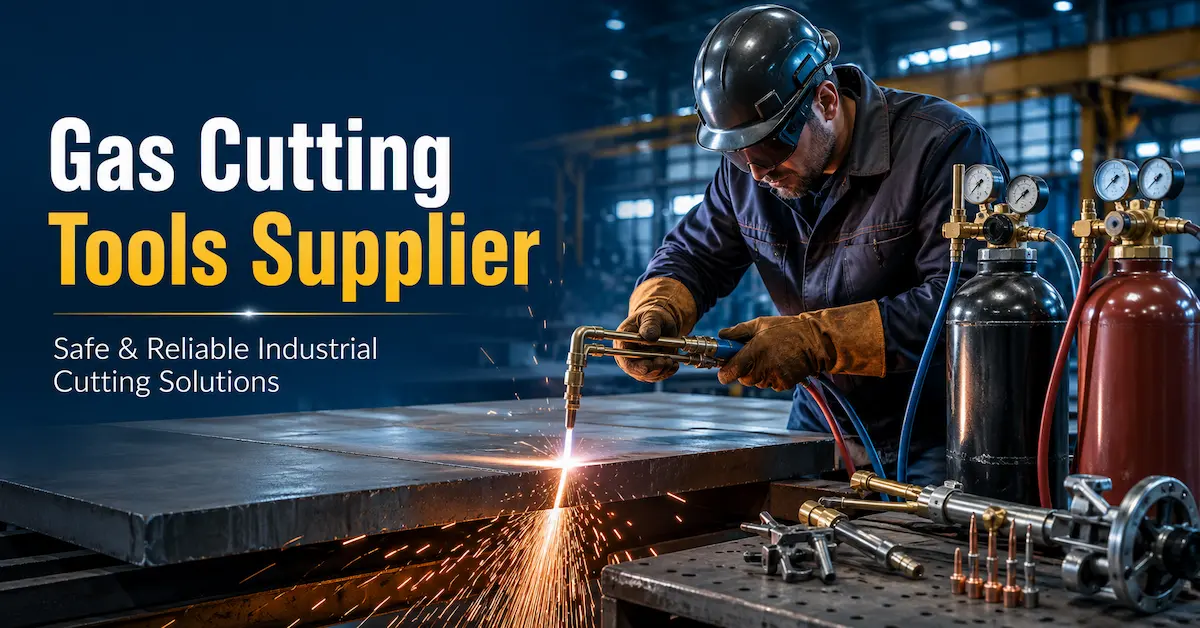
At the core of a cutting & welding kit is the gas regulation system. Regulators are responsible for reducing high cylinder pressure to a stable working pressure suitable for cutting or welding operations.
Dual-gauge regulators allow operators to monitor both inlet pressure and working pressure in real time. This design helps maintain consistent flame characteristics and prevents sudden pressure fluctuations that could affect cutting quality or safety.
Torch Structure and Flame Control Logic
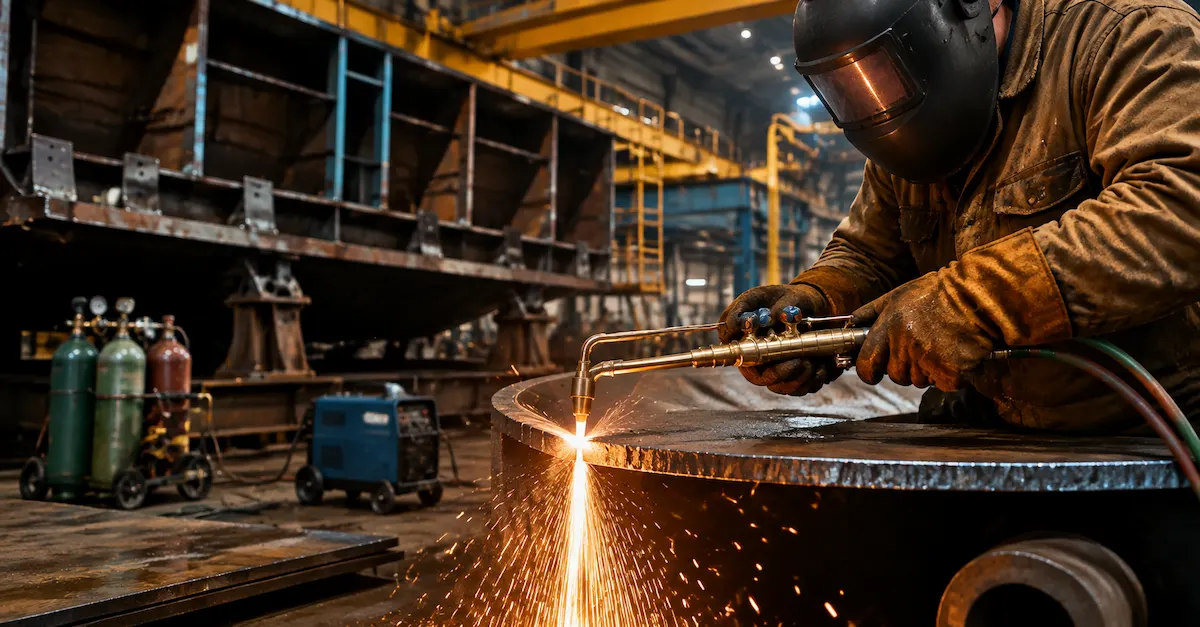
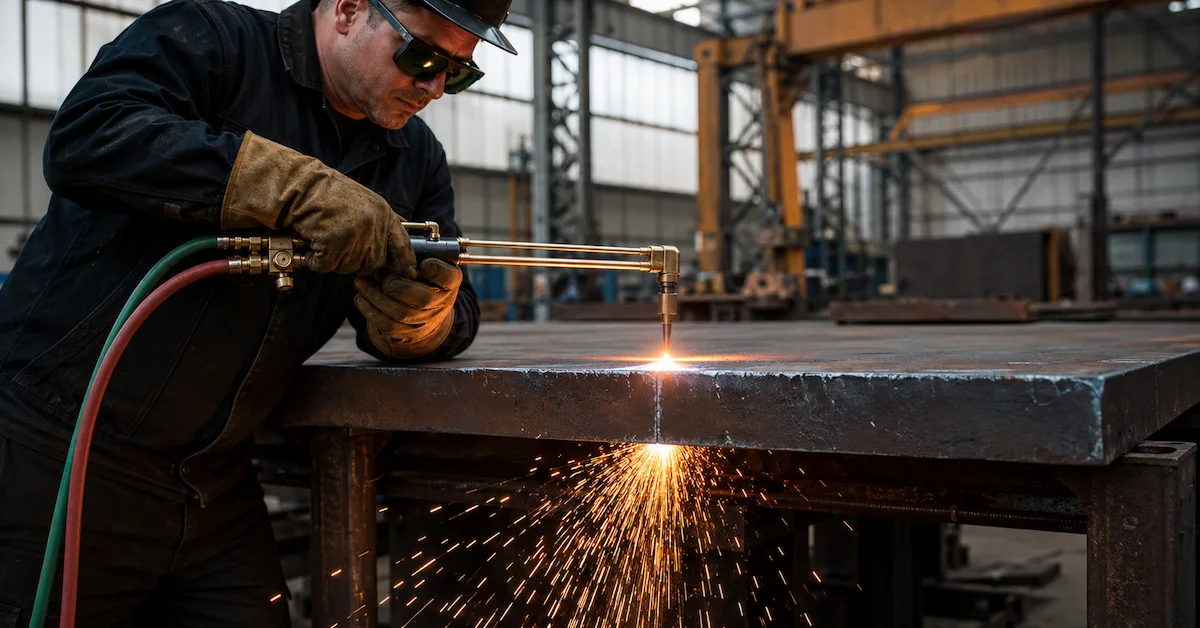
The cutting and welding torches serve as the execution units of the system. Torch body geometry, internal gas channels, and valve responsiveness directly influence flame shape and stability.
Proper torch design allows precise mixing of oxygen and fuel gas, enabling clean ignition and controlled flame adjustment. This is especially important when switching between welding and cutting tasks within the same operation environment.
Role of Nozzles in Cutting Performance
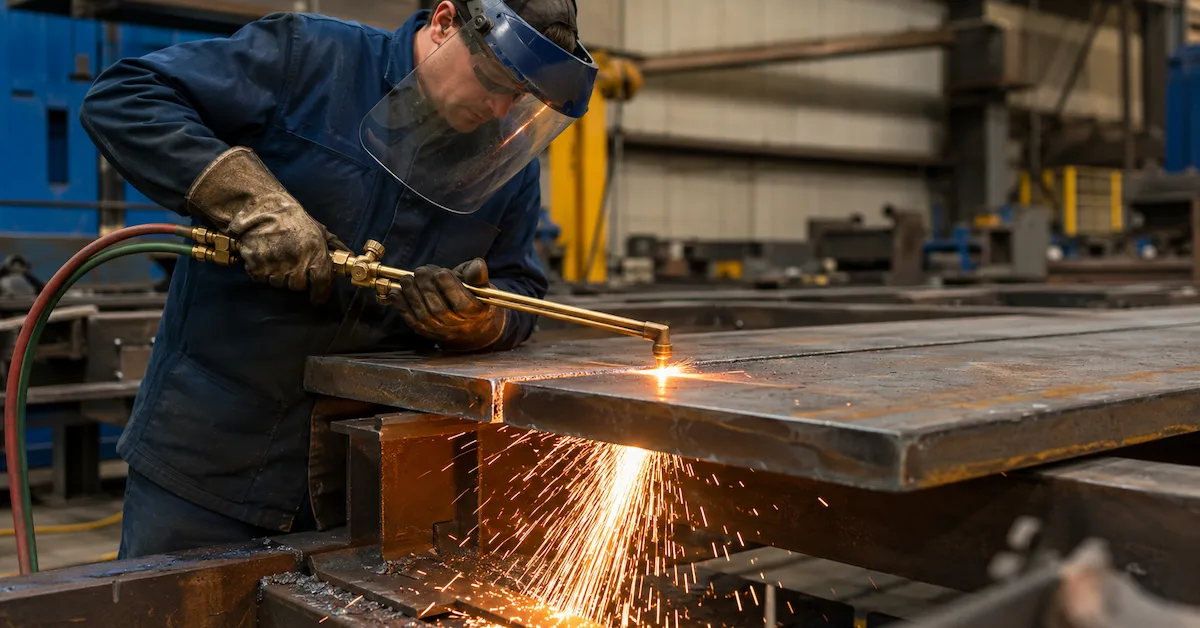
Cutting nozzles are not interchangeable accessories but calibrated components that determine cutting thickness and efficiency. Different nozzle sizes correspond to specific gas flow rates and metal thickness ranges.
Using matched nozzle sets ensures effective heat concentration, smoother cutting edges, and reduced gas consumption. In industrial use, correct nozzle selection improves productivity while minimizing rework.
Hose Materials and Gas Transmission Safety
Gas hoses are responsible for delivering fuel and oxygen safely from regulators to the torch. Industrial-grade hoses are manufactured from reinforced rubber materials that resist pressure, heat, and environmental wear.
Color-coded hose systems help prevent incorrect connections, while internal reinforcement layers improve durability in high-frequency industrial operations.
Integrated Safety Components Within the System
Safety devices such as flashback arrestors and non-return valves are integrated into cutting & welding kits to prevent gas backflow and flame flashback. These components operate automatically without operator intervention.
System-level safety integration is especially important in industrial and export markets where compliance and operator protection are mandatory requirements.
Why System Consistency Matters for Industrial Buyers
For B2B buyers, system consistency across batches is critical. When each kit follows the same design logic, pressure characteristics, and component matching, training, maintenance, and spare part management become significantly more efficient.
This is why industrial buyers and distributors often prioritize system design integrity over isolated component features.
How OEM Manufacturing Supports System Stability
OEM manufacturers control component sourcing, machining tolerances, assembly processes, and testing standards. This allows cutting & welding kits to maintain consistent performance across large production volumes.
For distributors and project buyers, OEM system manufacturing reduces variability, simplifies after-sales support, and supports long-term supply planning.
Conclusion: Cutting & Welding Kits as Engineered Systems
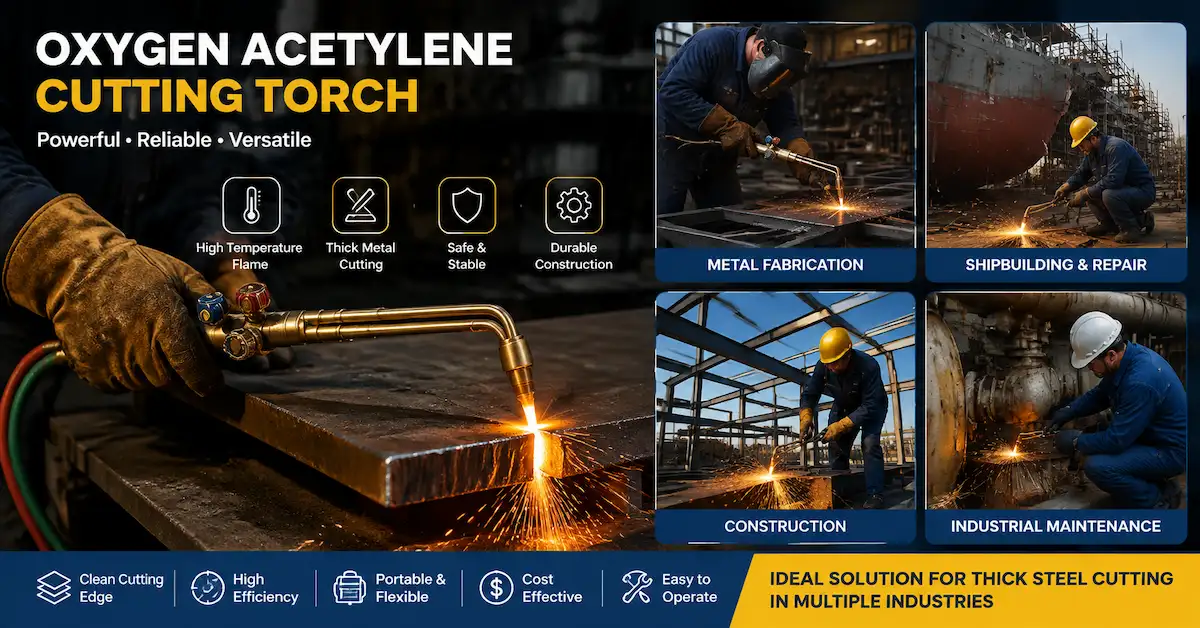
An industrial cutting & welding kit should be understood as a coordinated gas control system rather than a simple tool set. From pressure regulation to flame delivery and safety protection, every component contributes to system-level performance.
Understanding this system design logic helps industrial users, distributors, and project buyers evaluate product quality beyond surface specifications.